

Major US universities like the University of New Haven setting up campuses in Riyadh marks a leap forward in educational collaboration between the US and Saudi Arabia. This move ties into Saudi Vision 2030‘s goals for economic and educational growth. Saudi students will gain access to American-quality education and resources right at home. This fosters innovation, research, and cross-cultural exchanges to equip students for a fast-paced global future.
Key Takeaways
- The University of New Haven plans to open the first US university international branch campus in Saudi Arabia by Fall 2026, aligning with Saudi Vision 2030.
- The Riyadh campus aims to offer a variety of international degrees and micro-credentials, focusing on high-demand fields like AI and Business Management.
- Regional scholarship programs will broaden financial accessibility for aspiring Saudi students.
- Internship and job placement programs will position students for success in the local job market.
- This initiative supports Saudi Arabia’s objective of building a highly educated, skilled workforce for a diverse economy.
Top US Universities Prepare to Open Campuses in Riyadh: A Transformation for Saudi Higher Education
The University of New Haven (UNH) plans to launch the first US university international branch campus in Saudi Arabia by Fall 2026. This marks a major step in US-Saudi educational cooperation. It’s expected to host 13,000 students, encompassing both undergraduate and graduate levels. This initiative aligns with Saudi Arabia’s Vision 2030, aiming for economic and educational advancement.
Such a venture not only bridges two distinct educational systems but also offers Saudi students direct access to prestigious American academic resources without leaving the country. This collaboration could pave the way for innovation, research, and cross-cultural exchanges. According to Vision 2030, enhancing education is vital for diversifying the economy. For students interested in global education strategies, University World News provides comprehensive insights into these shifts and their implications.
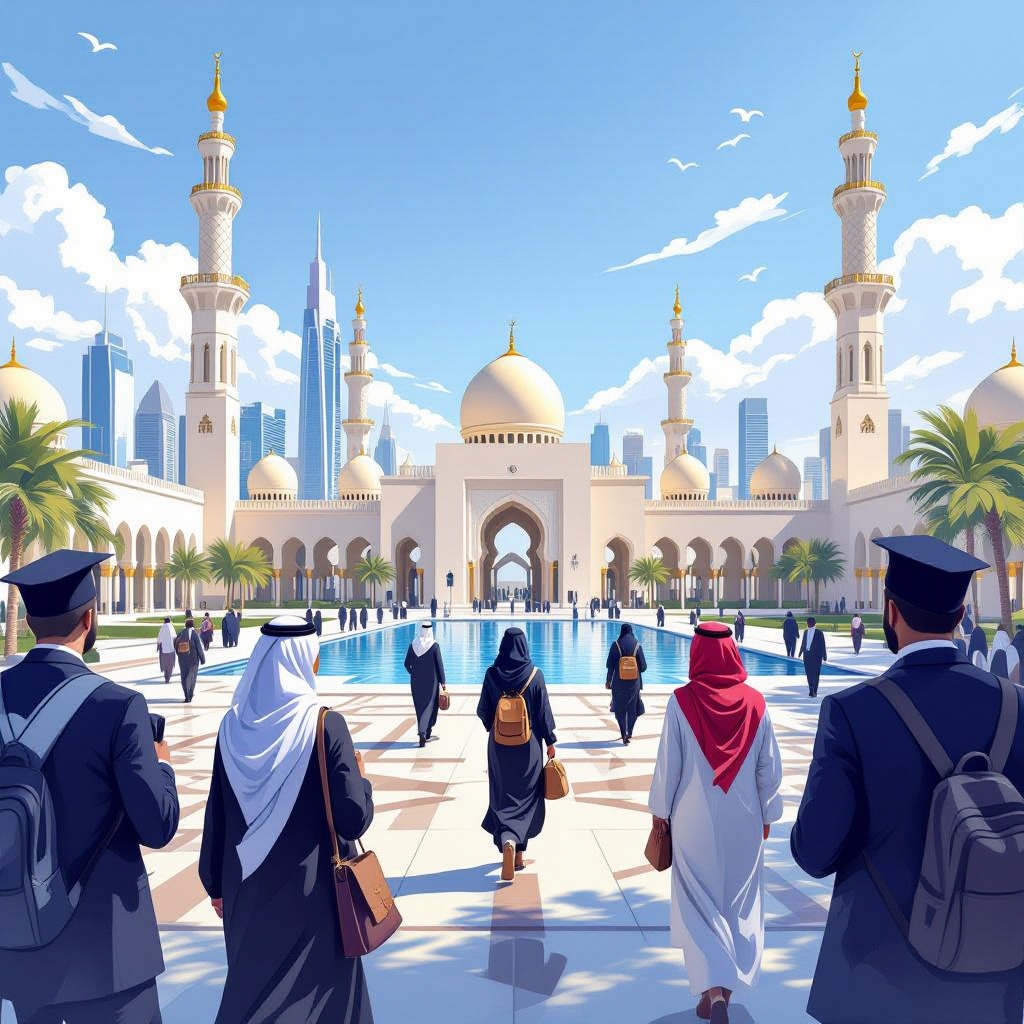
Diverse Academic Offerings Aligned with Vision 2030
The University of New Hampshire (UNH) Riyadh campus has plans to host three pivotal colleges: the College of Business and Digital Innovation, the College of Engineering and Advanced Manufacturing, and the College of Arts and Applied Sciences. They’ll offer international degrees and micro-credentials, particularly in high-demand fields. Imagine having access to courses in areas like AI, Business Management, and Leadership for Women, all taught in English. This isn’t just a chance for Saudi students to gain a global perspective; it also means preparing for a future that’s rapidly changing.
Saudi Arabia aims to transform its higher education and workforce through Vision 2030. As part of this vision, it’s focused on equipping students not just with knowledge but with practical skills. The initiative supports aspirations for a diversified economy by ensuring students are ready to meet future challenges. It aligns perfectly with the goals laid out in the Vision 2030 framework.
International degrees from renowned institutions such as UNH can dramatically enhance a CV, especially when finalizing courses in English. Moreover, micro-credentials serve as valuable assets for those targeting dynamic sectors. If you’re curious about the details of Vision 2030, visit Vision 2030. Saudi students can look forward to training that aligns with national priorities, enriching their prospects. With these education offerings, students could be among the leaders shaping the country’s future.

Empowering Saudi Students: Education and Opportunities Close to Home
The University of New Hampshire (UNH) campus in Riyadh offers Saudi students a unique opportunity. They can access the same high-quality resources provided on the main US campus. This strategic move brings top-tier education closer and reduces the need to study abroad.
Regional scholarship programs further sweeten the deal, ensuring financial accessibility for many aspiring scholars. Workforce training initiatives are also in place, aiming to cultivate skills that are directly applicable to the Saudi job market. This setup not only nurtures local talent but also keeps it thriving within the country, boosting economic growth.
Internship and job placement programs play a pivotal role as well. These initiatives strategically position students for success in the vibrant local job market. With such support, graduates are better equipped for immediate employment in Saudi Arabia. Here’s what students can look forward to:
- Access to high-quality education without leaving home
- Scholarship programs tailored for regional needs
- Training initiatives to develop market-ready skills
- Enhanced career prospects through internships and placements
By keeping educational costs down and providing ample opportunities at home, this initiative stands to greatly benefit the Saudi economy. It aligns with the broader vision of developing a highly educated and skilled workforce ready for the challenges of modern industries. For more details about similar global initiatives, you can visit the Institute of International Education for in-depth insights.
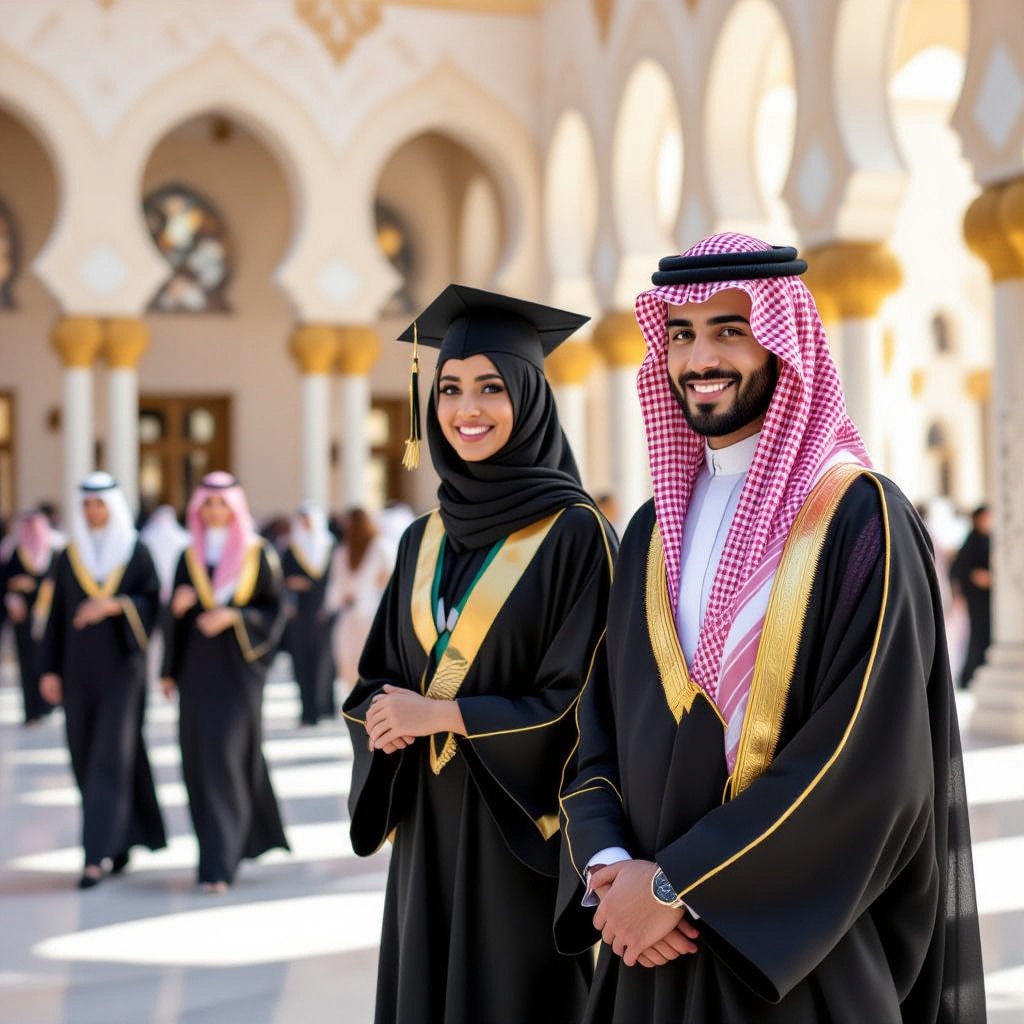
US-Saudi Higher Education Partnerships: An Evolving Relationship
The collaboration between US and Saudi institutions continues to grow, as demonstrated by the Saudi-US Higher Education Partnerships Forum in 2024. Over 80 top universities are actively participating in this initiative. These partnerships are focusing on multiple aspects to elevate Saudi Arabia into a global knowledge center.
Joint research initiatives are at the forefront, encouraging innovative developments that are both relevant and impactful. Student exchange programs offer invaluable cultural and educational experiences, broadening horizons for many Saudi students. Additionally, the focus on developing new academic programs is set to address the specific educational needs within the region, fostering a dynamic learning environment.
For further insights into the educational landscape, visit the World Education News & Reviews.
Driving Factors Behind US Campuses in Saudi Arabia
Vision 2030 has fueled Saudi Arabia’s push to transition to a knowledge-driven economy. This vision not only emphasizes economic variety but also aims to boost the country’s global standing. A key component of this initiative involves hosting top-tier international universities. Through these strategic partnerships, Saudi Arabia seeks to elevate its educational landscape and attract a diverse range of talent.
Establishing US campuses in Riyadh supports this strategy by:
- Uplifting educational standards comparable to global benchmarks.
- Drawing in local and international students and faculty.
- Fostering research and innovation.
These campuses create an ecosystem that stimulates intellectual growth, propelling Saudi Arabia toward a sustainable, knowledge-focused future. The presence of internationally recognized institutions aligns with initiatives like Saudi Vision 2030 and positions the country as a competitive location on a global scale. For more on Vision 2030, refer to the official Vision 2030 portal.

Shifting Trends in Student Mobility and the Impact of Internationalization
Saudi Arabia hosted 64,874 international students in 2022, showing a renewed commitment to internationalization by bringing quality foreign education to its doorstep. Programs like ‘Study in Saudi Arabia‘ aim to attract students from nearby countries, enriching academic diversity and establishing the kingdom as a prime study destination.
These initiatives are designed to increase the number of international students and stop declining trends by promoting US branch campuses. They can create a diverse educational atmosphere by giving Saudi students access to renowned teaching and research opportunities. Such changes are pivotal in redefining student mobility trends within the region. According to a report from The Guardian, international campuses offer students local access to global education standards, enhancing their academic and cultural experiences significantly.

Sources:
US-Saudi Business Council – “University of New Haven Announces Historic New Branch Campus in Riyadh”
British Council – “BC Environment for TNE Partnerships in Saudi Arabia”
Institute of International Education – “Saudi Arabia and US Forge a New Era of Higher Education Partnership”
University World News
The PIE News – “University Of New Haven Announces Saudi Arabia Campus”
JLL – “Internationalization of Higher Education in KSA”
Statista