

Mastering presentation skills for class projects combines thorough preparation, strategic content crafting, and confident delivery techniques to captivate and engage audiences. Integrate elements like audience analysis, storytelling, and technology use to craft presentations that drive both academic and professional growth.
Key Takeaways
- Understanding your audience and setting clear objectives lay the groundwork for successful presentations.
- Simplifying complex information and incorporating visuals tremendously enhance comprehension and engagement.
- Employing effective non-verbal communication and vocal delivery maintains audience interest and conveys confidence.
- Regular practice and embracing constructive feedback play pivotal roles in enhancing presentation abilities over time.
- These skills offer substantial benefits in classroom settings and extend to academic and professional environments.
Preparation: Laying the Foundation for Success
Preparation is key to a standout presentation. First, research and understand your audience. Determine their interests and what’ll keep them engaged. Then, set clear objectives for what you want to achieve. Structure your presentation with a logical flow. Begin with an introduction, dive into the main content, and wrap up with a conclusion.
A compelling start can captivate your audience. Consider using an attention-grabber like a thought-provoking question or a striking statistic. For example, note that 93.1% of workshop participants preferred ongoing training.
Make sure to rehearse your presentation. It helps refine your delivery and ensures you’re comfortable with the material. Aim for smooth transitions and a steady pace to maintain interest. By focusing on audience analysis, presentation objectives, and rehearsal, you’ll be well-prepared to impress.

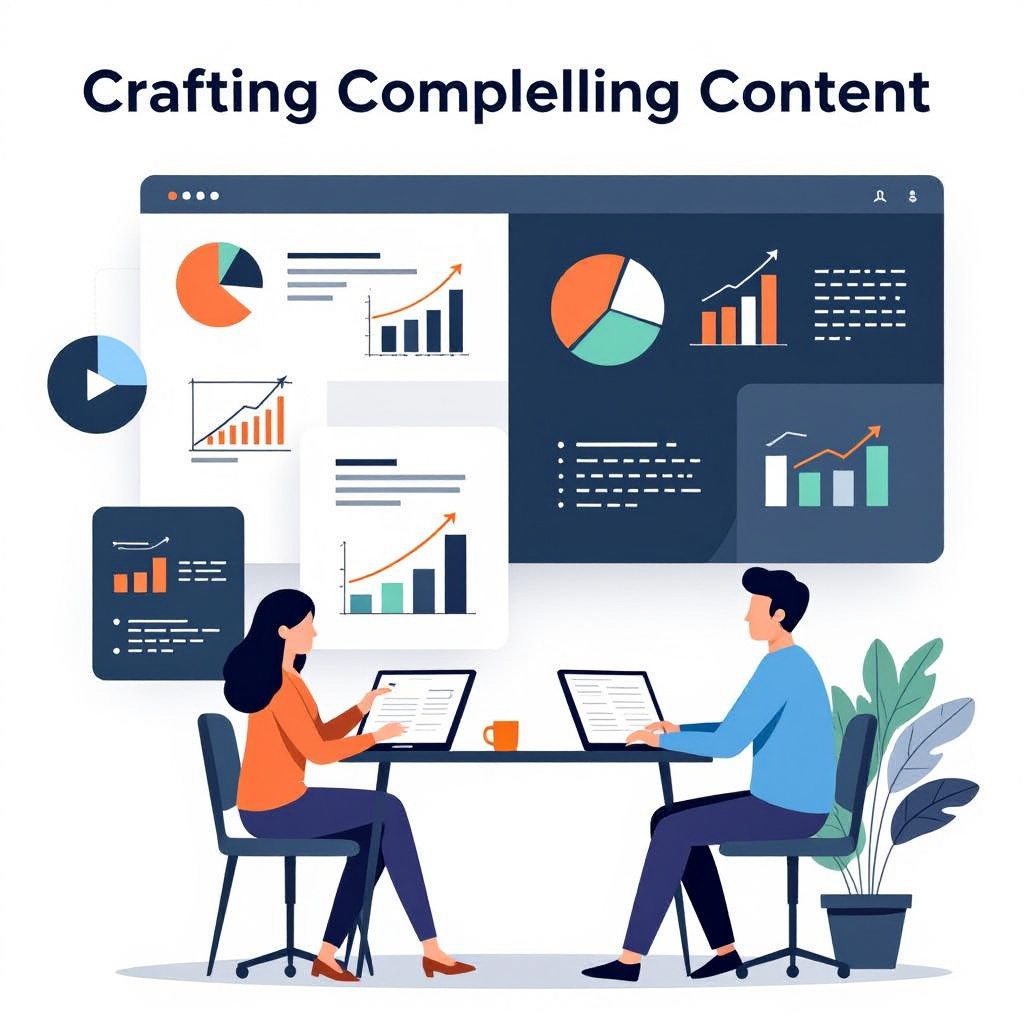
Crafting Compelling Content and Visuals
Focus on simplifying complex information. Break down data into digestible pieces. Use data visualization to enable your audience to retain up to 30% more information. Compare presentations with and without visual aids to see the impact. You’ll find that visuals significantly boost comprehension and engagement.
Integrate storytelling into your presentation. A narrative helps leave a lasting impression. Share related anecdotes or examples to connect emotionally with your audience.
Incorporate credible data to back up your assertions. Your voice and non-verbal communication still play a crucial role, accounting for 38% and 55% of the impact, respectively. Use these elements to strengthen your message.
Delivering with Confidence: Techniques for Engaging Your Audience
Effective presentation skills hinge on more than just words. Utilizing non-verbal communication like body language, eye contact, and gestures can significantly enhance how your audience perceives your message. Stand tall, plant your feet firmly on the ground, and use purposeful gestures to emphasize your key points. Maintaining steady eye contact across the room shows you’re connected and approachable.
In terms of vocal delivery, varying your volume, tone, and pace keeps listeners engaged. Begin with a strong voice to assert confidence, but don’t be afraid to soften it for emphasis or intrigue. Changing your pace at strategic moments can help maintain interest and highlight critical information.
Dressing for professionalism sets the tone before you even begin speaking. Choose attire appropriate for the audience and the formality of the event. This not only affects how others perceive you but can also boost your own confidence.
Inviting audience interaction fosters a dynamic environment. Encourage questions or incorporate quick polls into your presentation. This can build rapport and make your presentation more memorable. Da Vinci Schools have shown how students grow in confidence through repeated presentations, highlighting the value of practice and real-life feedback exchanges for recognizing areas needing enhancement.

Harnessing Technology for an Impactful Presentation
When creating class project presentations, leveraging tools like PowerPoint can significantly enhance your visual storytelling. A surprising 32% of presentations are for course assignments, highlighting the importance of impactful delivery.
To craft clean and compelling slides, aim for simplicity—limit text and focus on key visuals. Integrating multimedia can elevate your presentation. To embed multimedia elements in PowerPoint:
- Click on the “Insert” tab.
- Choose “Video” or “Audio” from the dropdown.
- Select “Online Video” or “Audio on My PC” to embed your media file.
This approach adds depth and engagement. Vital to your presentation is data storytelling. Use visual aids like charts and graphs to make your data relatable and facilitate data-driven insights. With these techniques, your class project presentation will captivate and inform your audience effectively.

Feedback and Continuous Improvement: Key to Mastery
To truly impress your audience, always seek constructive feedback from your peers and instructors. This helps you identify both strengths and areas for growth. Practicing consistently, such as through Presentations of Learning sessions, allows you to iterate and enhance your presentation skills effectively.
Workshops have shown a significant improvement in self-ratings on soft skills after implementing constructive feedback. Here’s a simple strategy to continuously hone your skills:
- Seek regular feedback to recognize strengths and weaknesses.
- Use constructive criticism to make targeted improvements.
- Practice consistently, using each session as a learning tool.
Before-and-after examples can vividly illustrate how these strategies lead to skill enhancements over time. By focusing on continuous improvement, your presentation skills can evolve to captivate any audience confidently.
Applying Presentation Skills Beyond the Classroom
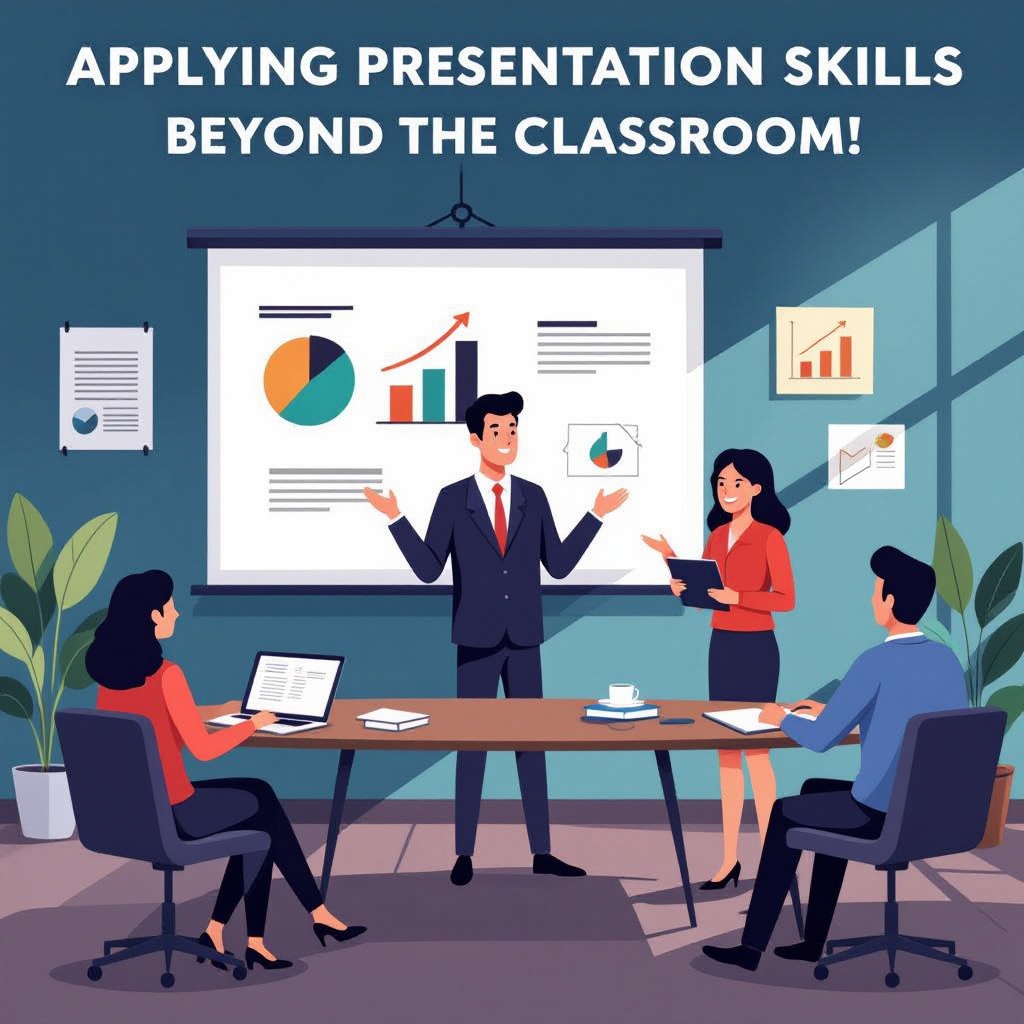
Presentation skills offer significant value beyond classroom settings, influencing academic success and career progression. These skills are highly transferable, enhancing not just one’s ability to deliver a successful project but also boosting career readiness.
The Importance of Transferable Skills
Research shows that presentations form 21% of academic projects, emphasizing their importance beyond just grades. Alumni often mention how such skills have supported their professional lives through:
- Enhanced communication in meetings and pitches.
- Improved confidence in networking events.
- Greater ability to articulate ideas clearly in team settings.
Testimonials Linking Skills to Career Advancement
Graduates and seasoned professionals often highlight the relevance of presentation skills in their careers. For example, Jordan, a marketing professional, states, “The presentation skills I honed in college became pivotal in my job interviews and client meetings.” Emily, now a project manager, shares, “Being trained to present effectively in class gave me the foundational skills to lead large team presentations confidently.”
These testimonials echo the broader narrative that effective presentation skills cultivate not only academic proficiency but also arm individuals with the tools needed for personal and professional development. Equip yourself with these crucial skills to better prepare for a successful career journey.
Sources:
PubMed Central – “Does Presentation Effectiveness Improve Academic Performance?”
Da Vinci Schools – “Presentations of Learning: Students Gain Powerful Presentation Skills While Reflecting on Their Academic Learning and Growth”
SketchBubble – “Interesting Presentation Statistics You Need to Know”
Coursera – “PwC Analytics Specialization”
Kubicle – “Data Presentation Skills”
Coursera – “Data Analysis Project: PwC”
365 Data Science – “Communication and Presentation Skills for Analysts and Managers”
Institute of Data – “Presentation Skills for Data Scientists”
One Comment
[…] digital skills, AI courses, and extracurriculars is crucial as they prepare students for future academic and […]