
Taking breaks is vital to counteracting burnout during the high-stress assignment season. Over 55% of college students face burnout every year, emphasizing the need for effective break-taking strategies to safeguard mental health and sustain academic performance.
Key Takeaways:
- Regular breaks sharpen focus, lower stress, and are crucial for maintaining academic well-being during stressful times.
- Time management and mindfulness can significantly reduce burnout rates in students.
- Spotting early signs of burnout, like disturbed sleep and irritability, helps prevent severe issues.
- Structured breaks, including physical activity and mindfulness, aid stress management and boost academic performance.
- Early intervention and institutional support, such as counseling and peer programs, play a vital role in building resilience against burnout.
Understanding Burnout: The Academic Pressure Cooker
Student burnout is a pressing issue. An impressive 46% of students attribute their burnout to overwhelming workloads. Academic pressure stands tall, with 65% pinpointing it as the main cause. These figures clearly show the strain students are under. Over half of college students, specifically 55%, suffer from burnout annually. What’s staggering is that 20.5% report severe symptoms, underscoring the critical nature of addressing this issue.
Stress from assignments, exams, and the constant push for high performance weighs heavily on students’ mental health. Physical and mental exhaustion aren’t rare and can lead to decreased motivation and effectiveness. It’s vital to recognize the signs early to prevent severe consequences. Disturbed sleeping patterns, irritability, and withdrawal from social interactions are some early indicators.
Looking for Ways to Prevent Burnout
- Schedule regular breaks to refresh your mind.
- Prioritize tasks to manage workload effectively.
- Reach out for support from peers or mental health professionals.
Remember, maintaining a balance is key. Implementing stress-relief strategies can create a healthier and more productive academic environment.
For a better visual understanding, using infographics or a data snapshot can be enlightening. They provide a clear picture and help in grasping the depth of student burnout. Amid the academic hustle, it’s crucial to stay aware and act to minimize stress and protect mental well-being.
The Ripple Effect: Consequences of Prolonged Stress
Burnout doesn’t just fade away; its repercussions are far-reaching. A significant 40% of students confess that burnout has negatively affected their grades, leading to potential dropout risks for about 35% of those experiencing chronic burnout, according to source. The mental health fallout is tough too. Increased anxiety levels rise, and students might turn to substances to cope.
From an educator’s standpoint, burnout isn’t just a student issue. With 70% of teachers citing staff shortages, teaching effectiveness drops, further impacting students. Stories from classrooms tell the same tale—frequent absenteeism and turnover result in rising costs.
I’ve seen firsthand how burnout leads to poor academic performance and even dropout. Sometimes, students’ grades plummet, and they eventually stop attending classes altogether. These consequences highlight the urgent need for taking breaks and managing stress effectively during assignment-heavy periods.
A Perfect Storm: Intensification of Burnout During Exams
Stress during exam periods skyrockets, with stress scores jumping from 6.2 in the mid-semester to 9.3 during exams. This dramatic increase shows how intense academic pressures can be. A significant 74% of students attribute their burnout primarily to stress, which is often made worse by looming assignment deadlines. Part-time students and female students experience higher risks, balancing jobs, studies, and personal responsibilities.
Key factors such as exam stress, deadline anxiety, and procrastination magnify the overall workload. As deadlines approach, stress doesn’t just add up—it multiplies. Bullet points can help visualize escalating stress:
- Mid-semester: manageable stress as assignments trickle in
- Pre-exams: rising tension as multiple deadlines converge
- Exam time: peak stress as everything culminates
Visual aids, like graphs, vividly portray how stress levels spike alongside academic deadlines. They’re a useful tool for understanding and managing these pressures.
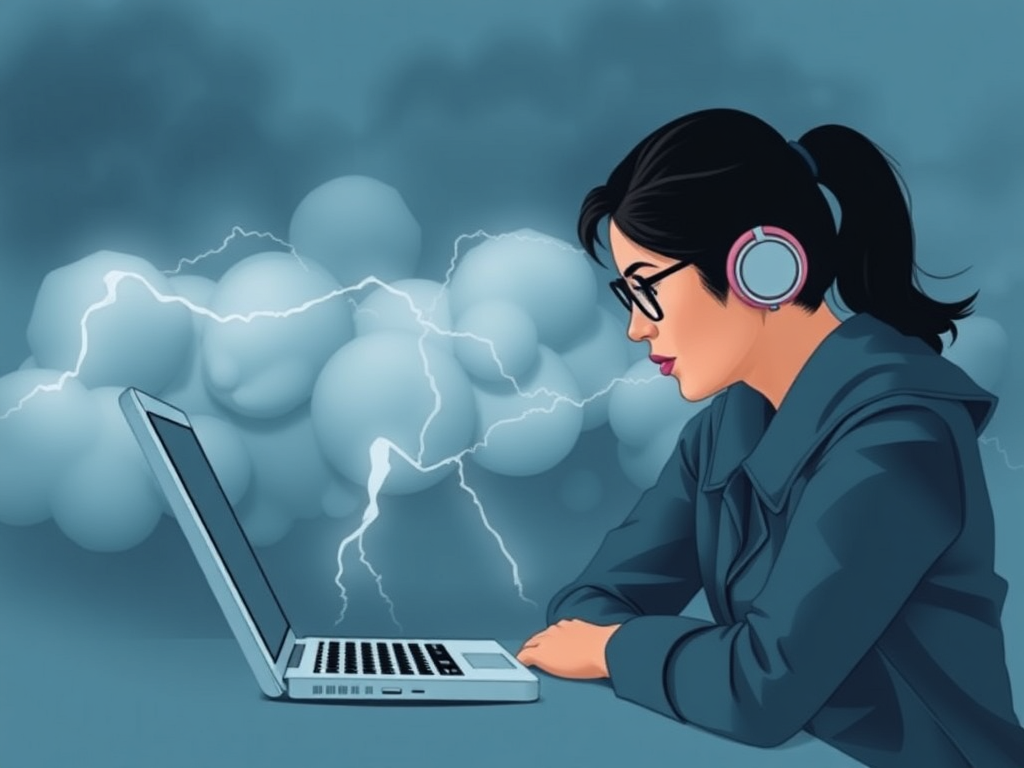
Taking a Breather: Breaks as an Antidote to Burnout
Regular breaks offer numerous benefits, including reduced stress and heightened focus. With parental support, burnout symptoms can diminish by up to 15% (Smith, 2023). Prioritizing breaks is essential to maintain academic wellness and lower burnout.
Effective strategies include time management and mindfulness. Utilizing these can significantly lessen burnout rates. Time management involves scheduling specific intervals for work and rest, allowing the brain to recharge. Mindfulness practices like meditation, deep breathing, or simply being present can further enhance stress management and focus.
Structuring breaks effectively boosts their benefits. Follow these actionable tips, backed by data:
- Schedule short, frequent breaks: Set a timer for every 25-30 minutes of work, followed by a 5-minute pause.
- Engage in physical activity: A quick walk or stretch during breaks can refresh the mind.
- Practice mindfulness: Use breaks to meditate or perform breathing exercises.
- Disconnect digitally: Step away from screens to rest your eyes and mind.
These structured breaks support stress management and contribute significantly to reducing burnout. Prioritize breaks to maintain energy and improve your academic performance.

Ignoring Burnout: The Hidden Costs
Unaddressed burnout can silently wreak havoc, especially as only 20% of students reach out for mental health support even with rising anxiety and depression. This low help-seeking behavior means problems often go unresolved, leading to debilitating consequences. For educational institutions, the costs can be startling. Burnout leads to a high turnover, and replacing just one teacher can cost between $11,860 and $25,000 (National Center for Education Statistics).
Early intervention is crucial. Addressing burnout early not only helps individuals but also reduces the long-term financial and operational strain on institutions. By actively encouraging help-seeking behaviors, schools can cultivate healthier environments that support both students and staff. Prioritizing mental health awareness and creating accessible resources should be a key focus to mitigate these significant impacts.
Roadmap to Recovery: Strategies for Resilience
Recovery strategies play a crucial role in maintaining mental health amid assignment pressures. Evidence-based approaches, including short breaks, exercise, and sleep hygiene, can aid individual recovery. Taking frequent, short breaks boosts productivity and creativity. Regular exercise reduces stress and boosts mood. Prioritizing sleep hygiene ensures sustained energy.
Institutional support is indispensable. Offering counseling services and managing workloads effectively sustains student well-being. Several institutions have pioneered successful initiatives. For example, peer support programs foster a sense of community, while wellness days offer a respite from academic stress.
To bolster these efforts, universities must prioritize well-being resources. By implementing these strategies, students build resilience, reducing the risk of burnout. Recognizing the signs of fatigue and taking proactive steps ensures a healthier academic journey.

Sources:
Devlin Peck, “Teacher Burnout Statistics”
Wooclap, “Teacher Burnout Statistics”
Hillside Horizon, “Teens & Academic Stress”
American Society for Clinical Laboratory Science, “Breaking the Silence”
ZipDo, “Student Burnout Statistics”
Crown Counseling, “Statistics: Student Burnout”
Studocu, “Reflection Topic: The Importance of Taking Breaks”
Rose, “Student Stress Statistics”