

Oman captures attention as a growing center for education in the Middle East, thanks to strategic funding in infrastructure, diverse academic programs, and strong international ties. Ambitious educational policies, coupled with advancements in digital technology and inclusive systems, have cemented Oman’s reputation as a sought-after place for students wanting top-tier education.
Key Takeaways
- Oman’s sizable funding in educational infrastructure has given rise to innovative teaching strategies and excellent facilities.
- The country broadens access to high-quality education through cutting-edge campuses and partnerships with international academic bodies.
- A focus on research and development encourages intellectual growth and enhances Oman’s standing in global education.
- Efforts in digital transformation, highlighted by the 2023 Education Act, push forward digital learning and include EdTech solutions.
- Inclusive educational policies in Oman focus on equality and social inclusion, offering diverse opportunities for all students.
Oman’s Rise as a Prominent Education Hub
Oman is quickly gaining prominence as a key location for education in the Middle East. The country’s achievements in expanding educational access reflect its ambition to establish itself as a regional education center. Oman’s substantial investment in educational infrastructure has paved the way for innovative teaching methods and top-notch facilities that attract students and educators alike.
By upgrading schools and universities, Oman ensures broader access to quality education across various fields. This commitment to improvement has led to the development of state-of-the-art campuses that support both local and international study programs. Notably, Oman’s push for advancement is also apparent in its collaboration with global academic institutions, resulting in diverse academic offerings.
Investment in research and development is another factor contributing to Oman’s position as a global education center. New initiatives encourage research output by students and faculty, setting a strong foundation for intellectual growth and global competitiveness. Oman’s dedication to education is further exemplified by its focus on science, technology, engineering, and mathematics (STEM) education, preparing students for future careers in an increasingly tech-driven world.
Various government and private sector initiatives work in tandem to boost Oman’s educational landscape. They provide scholarships, improve digital literacy, and foster language proficiency, which collectively uplift the education sector. Individuals exploring educational growth in Oman will find a wide array of resources and opportunities. For those interested in global academic rankings, you can get insights from sources like U.S. News Education. Oman’s journey to becoming an education hub is driven by its relentless pursuit of excellence and innovation.

Transformative Growth in Enrollment and Literacy
Oman’s educational infrastructure has seen significant expansion, with the establishment of 2,133 schools and over 40 higher education institutions. This expansion illustrates the country’s commitment to improving its educational landscape. The government’s focus on educational policies reflects a strategic approach that has resulted in increased net enrollment rates, climbing from 67% in 1990 to 86% in 2018 at the primary level.
Compulsory education policies have significantly contributed to these improvements. Youth literacy is nearly universal, with a remarkable literacy rate of 97.7% in 2022. Such progress signals a steadfast dedication to education, fostering an environment where young minds can flourish. For those interested in the intricacies of educational systems globally, UNESCO offers valuable insight into the transformative impact of strategic educational policies through their research findings. These changes underscore Oman’s emerging status as a key educational hub in the region.
Strategic Government Investment and Economic Impact
Oman’s commitment to education shines through its significant budget increase, soaring from OMR 2.9 billion in 2022 to OMR 3.3 billion in 2023. This jump underscores the nation’s dedication to enhancing educational infrastructure and quality. Aiming for 20% of the total budget allocation, this financial boost reflects a strategic move. It’s a step to elevate public spending’s contribution to GDP from 4.9% to a projected 6.2% by 2025.
Such robust government investment not only promises to enrich the nation’s educational offerings but also stimulates the economy. This cycle helps Oman’s economy grow by creating jobs, training skilled professionals, and attracting international students. Key initiatives and funding are making local educational institutions more competitive globally.
Here’s what stands out in this investment boom:
- A noticeable increase in the education budget has enabled expansion and modernization projects.
- Long-term GDP benefits are tied to this rise in public spending.
- Economic advantages extend beyond GDP, sparking job creation and boosting local businesses.
This educational momentum aligns with wider efforts seen globally in places like Singapore and Finland to integrate educational advancements with economic growth strategies. By channeling resources into educational development, Oman positions itself as a forward-thinking hub ripe for intellectual and economic prosperity.

Digital Transformation and Innovation in Education
Oman’s 2023 Education Act plays a crucial role in advancing digital learning and fostering lifelong learning. By prioritizing modern teaching methods and EdTech integration, the country is set to attract students and educators alike. This legislative move aims to transform traditional classrooms into vibrant digital environments, providing students with access to cutting-edge educational resources and interactive learning experiences.
Oman’s focus on digital innovation has also propelled its rise on the Global Innovation Index. In 2023, Oman climbed to the 69th position from 76th in 2022. This jump signifies the country’s commitment to pioneering educational advancements and strengthening its digital infrastructure. The Education Act supports this by embedding technology into the curriculum, further amplifying students’ learning journeys.
Educators in Oman are now encouraged to leverage technological tools to foster more engaging and personalized learning experiences. The adaptation of EdTech resources provides a platform for students to develop skills necessary for the modern workforce, expanding opportunities for growth and innovation. For further insights into successful digital learning strategies, you may explore resources like EdTech Review, which offers various articles showcasing effective integration practices.
As Oman continues to embrace digital transformation within education, it positions itself as a leader in EdTech, ultimately making it an appealing destination for both learning and teaching opportunities. This proactive approach not only enriches the educational landscape but also prepares students for success in an increasingly digital world.

Diverse Educational Opportunities in Private and International Schools
Oman’s private education sector is flourishing, with its current market valued at $1.7 billion. It boasts an impressive collection of 881 private schools and 46 international institutions. These schools are offering a mix of global curricula, catering to the increasingly diverse needs of students. The landscape presents exciting growth trends fueled by foreign investment and reforms in education policies.
The variety in educational offerings includes a gamut of international curricula, such as the International Baccalaureate (IB), British, and American systems, all of which prepare students for global challenges. It’s a dynamic environment where students can access world-class education, making Oman attractive for expatriates and locals alike.
Importantly, there is substantial potential for growth in private school enrollment. When compared to GCC countries, Oman is poised for expansion in this sector. Factors contributing to this potential include a burgeoning youth population and increased demand for specialized educational offerings. This trend indicates a promising outlook for investors and stakeholders interested in tapping into the private education industry.
With opportunities far from saturated, those considering investing in Oman’s private educational institutions may find themselves part of a thriving educational hub. For additional insights on global education trends, explore resources such as Education Dive.

Excellence in Higher Education and International Recognition
Higher education in Oman continues to gain global traction. Sultan Qaboos University (SQU) leads the charge, making significant progress in global rankings. Recent stats show a 36.9% rise in research output by 2024, demonstrating a strong commitment to innovation and knowledge creation. The QS Higher Education Report 2025 highlights Oman’s ambitious educational plans, emphasizing the growing influence of its institutions. This rise is also evident in other esteemed universities where advancements in academic standards are pushing Oman onto the international stage. Notable factors include:
- Enhanced infrastructure and faculty experience.
- Strategic partnerships with global universities.
For those keen on global educational trends, I recommend keeping an eye on resources like the QS World University Rankings, which offer further insights into the global academic landscape.
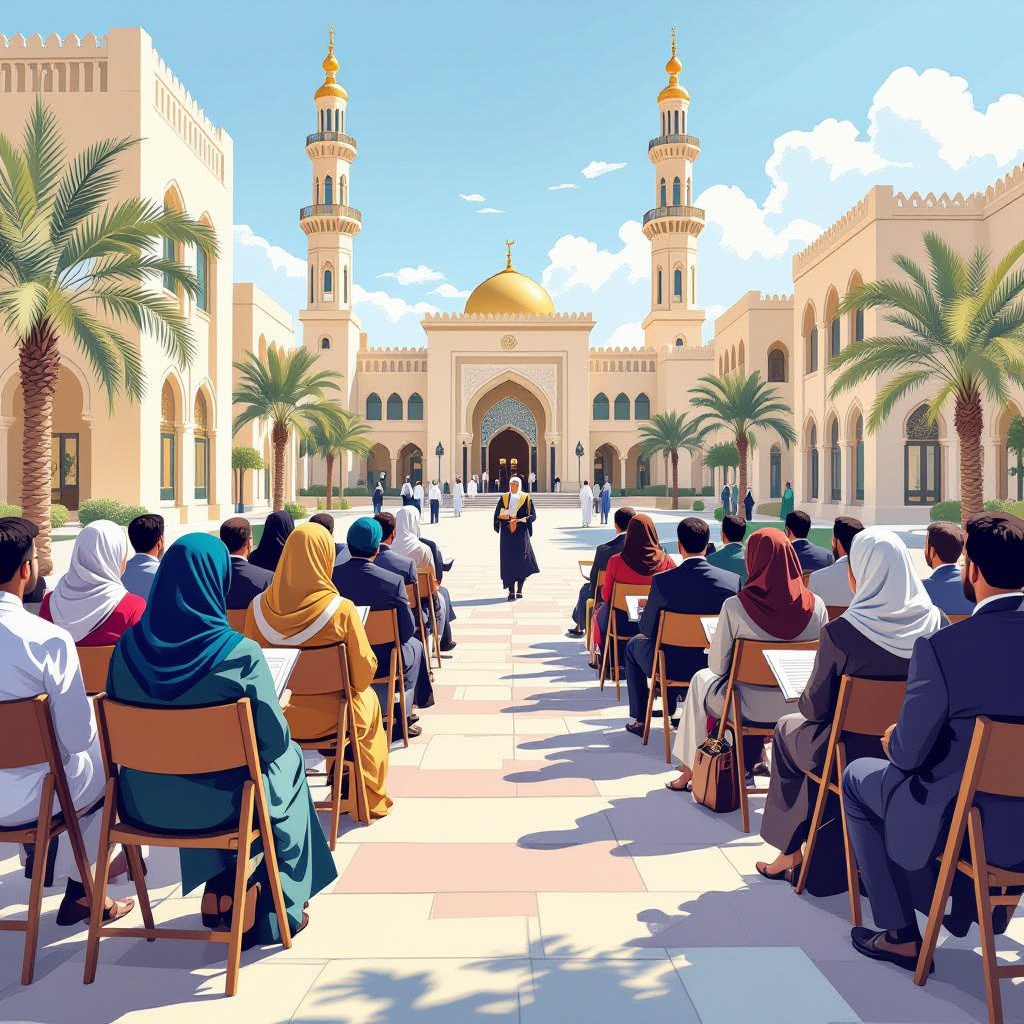
Social Inclusion and Equal Opportunity in Education
Oman’s education system embraces principles of inclusion and equality, reflecting its commitment to providing equal opportunities for all. The country has taken significant steps in reducing gender disparities, evidenced by the improved Gender Inequality Index. Initiatives like the “Educated Village” enhance rural education by bringing resources and learning opportunities to remote areas.
Under the 2023 School Education Law, Oman enforces a legal framework ensuring non-discrimination based on race or religion. This legislation advances the nation’s vision for an inclusive educational landscape. Key components of this framework include:
- Equality Regardless of Race or Religion: Ensures every child has access to education without prejudices.
- Support for Rural and Underserved Communities: Programs focused on bringing educational resources to isolated regions.
- Promotion of Gender Equality: Encourages participation from all genders in educational growth and development.
These efforts not only align with global educational goals but also showcase Oman as a progressive hub of learning. If interested in Oman’s broader educational policies and their impact, you might find more details on UNESCO’s education pages.
Overall, Oman’s initiatives in education reflect a dynamic stride towards inclusivity and equality, setting a benchmark for others.
Frequently Asked Questions
📚 Why is Oman emerging as an education hub in the Middle East?
Oman is making major strides toward becoming a regional education center by investing heavily in infrastructure, expanding access, and adopting innovative teaching methods. With initiatives that boost quality education and international partnerships, the country attracts both local and global students and educators seeking academic excellence.
💡 How has digital transformation changed education in Oman?
Through the 2023 Education Act, Oman has prioritized digital learning and integrated EdTech into classrooms, transforming traditional education spaces. This shift enhances access to interactive educational tools, boosting student engagement and preparing them for a tech-driven future.
🏗️ What role does government investment play in Oman’s education sector?
Oman significantly increased its education budget to OMR 3.3 billion in 2023, aiming to allocate 20% of total fiscal spending to education. This strategic investment is not only modernizing infrastructure but also stimulating economic growth by fostering job creation and attracting international talent.
🌍 Are there international schools and private education options in Oman?
Yes, Oman’s growing private education sector includes 881 private and 46 international schools offering global curricula like the IB, British, and American systems. These institutions cater to a diverse student population and offer world-class education for both Omanis and expatriates.
🏆 How is Oman gaining global recognition in higher education?
With institutions like Sultan Qaboos University improving in global rankings and increased research output, Oman is becoming known for its academic innovation. Partnerships with global universities and upgraded facilities enhance this international reputation in higher education.
🤝 What steps is Oman taking toward inclusive and equal education?
Oman promotes equal access to education through legal reforms like the 2023 School Education Law, which enforces non-discrimination. Initiatives such as “Educated Village” help bridge the rural education gap, ensuring learning opportunities reach all communities, regardless of location or background.
Sources:
Nexdigm – Oman Education Market Research Report
Asian African – Investing in Oman’s Education Sector
Mordor Intelligence – Oman Private K12 Education Market
Data Insights Market – Private K12 Education in Oman Market
Oxford Business Group – Keys to Success: Digital Technologies and Investment in the Local Workforce to Fuel Omanisation and Modernisation Overview
Middle East Briefing – Investing in Oman’s Education Sector: A Growing Opportunity
Times of Oman – Oman Growing as an International Hub for Higher Education: British Report
Gulf Magazine – Oman to Recruit 4000 Teachers in 2025-2026 Acad
MOHERI – Oman Whitepaper v11
Trading Economics – Public Spending on Education, Total Percent of GDP (WB Data)
QS – Insights: Oman Higher Education Report 2025
Gulf Magazine – Rise as a Thriving Education Powerhouse in Gulf
6Wresearch – Oman Higher Education Market
EduTraCoMan – Oman’s Education Sector