

Transitioning from high school to university in the UAE means adapting to a more independent and varied academic environment in a lively educational setting. This shift offers unique challenges and opportunities, as students work through different teaching styles, cultural diversity, and helpful support systems to fit into university life.
Key Takeaways
- Moving from a structured high school setup to university calls for developing strong time-management skills and academic independence.
- Cultural diversity and various teaching methods create an engaging and vibrant learning atmosphere in UAE universities.
- Participating in campus activities and embracing cultural differences can help build a supportive network, easing the transition process.
- Programs like Degree Entry and Student Foundation are vital for bridging skill gaps and preparing students for university challenges.
- The UAE’s focus on STEM and digital skills positions students well for future academic and career opportunities in a global context.
Transitioning from High School to University in the UAE: Adapting to a New Academic System
Moving from high school to university marks a turning point. Here, imagining the difference between environments helps. High school often provides structured schedules and continuous guidance. University, however, demands a higher level of academic independence. Students are responsible for managing their time, choosing courses, and seeking resources.
In the UAE, adapting to college life poses unique challenges. Cultural diversity in classrooms, as well as varying teaching methods, sets the stage for a dynamic learning experience.
To ease the transition, consider the following:
- Develop strong time-management skills.
- Seek out academic advisors or mentors.
- Engage in campus activities to build a supportive network.
- Embrace cultural diversity through clubs and events.
These strategies offer a smoother journey into university life, helping you thrive academically and socially.
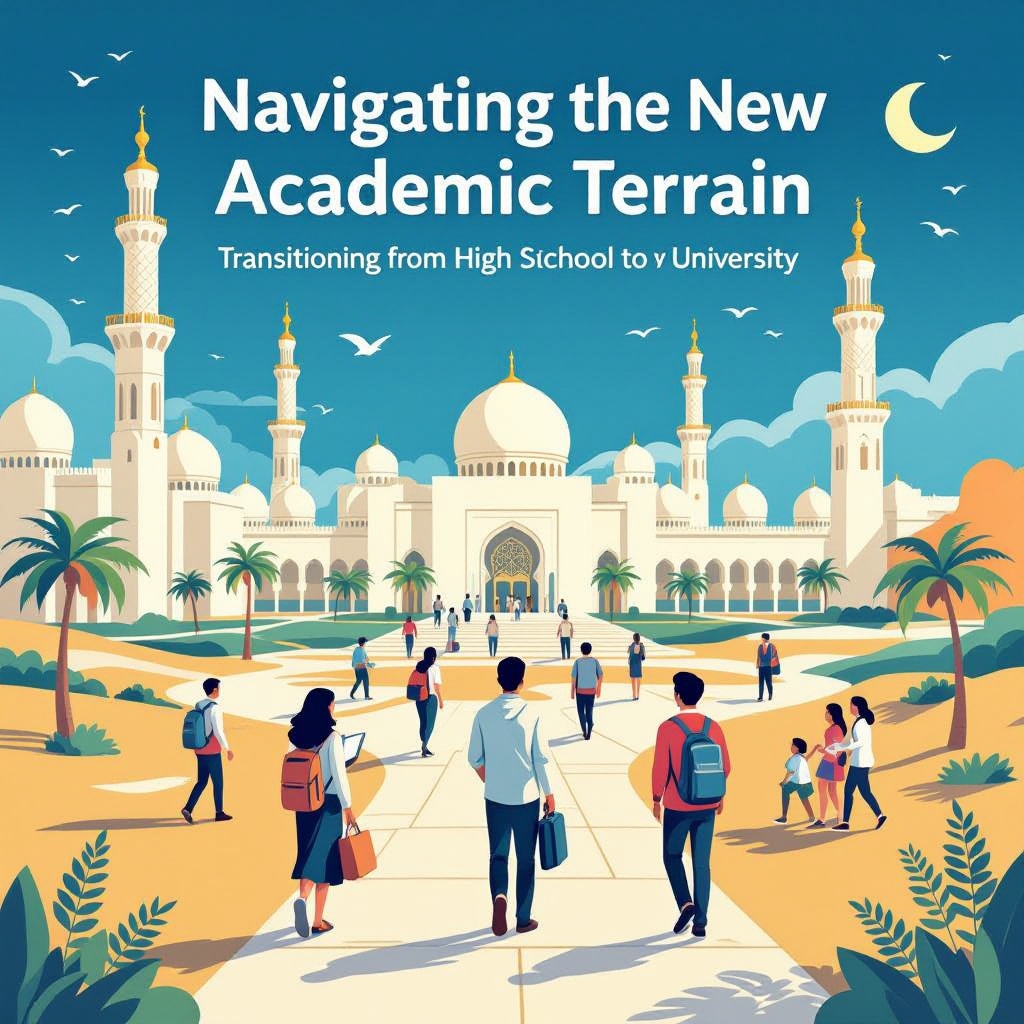
Understanding the Structure: Educational Systems in the UAE
The UAE offers a diverse educational landscape from primary through secondary levels. Kindergarten initiates formal education, followed by basic primary education, and continues with cycles in lower and upper secondary stages. Each stage builds upon the last, laying a strong foundation for university.
The system places immense value on universal access. Public education is free for Emiratis at these levels, ensuring quality schooling for all citizens. There’s an evident commitment to gender equality, ensuring boys and girls have equal opportunities in education.
A significant population factor is that over 30% of Emiratis are aged under 25. This young demographic drives a growing demand for higher education opportunities.
Private schools have surged, marked by a 140% increase in enrollment since 2007. This growth reflects not just a preference for diverse curricula but also the cultural diversity present in the UAE. Many expatriates seek private education for their children due to the international quality these schools provide.
Exploring these educational structures reveals a blend of tradition and modernity. Such features cater to various educational philosophies, offering students ample choice and opportunity. Understanding this framework benefits both those entering the system and those evaluating its impact on future education trends.
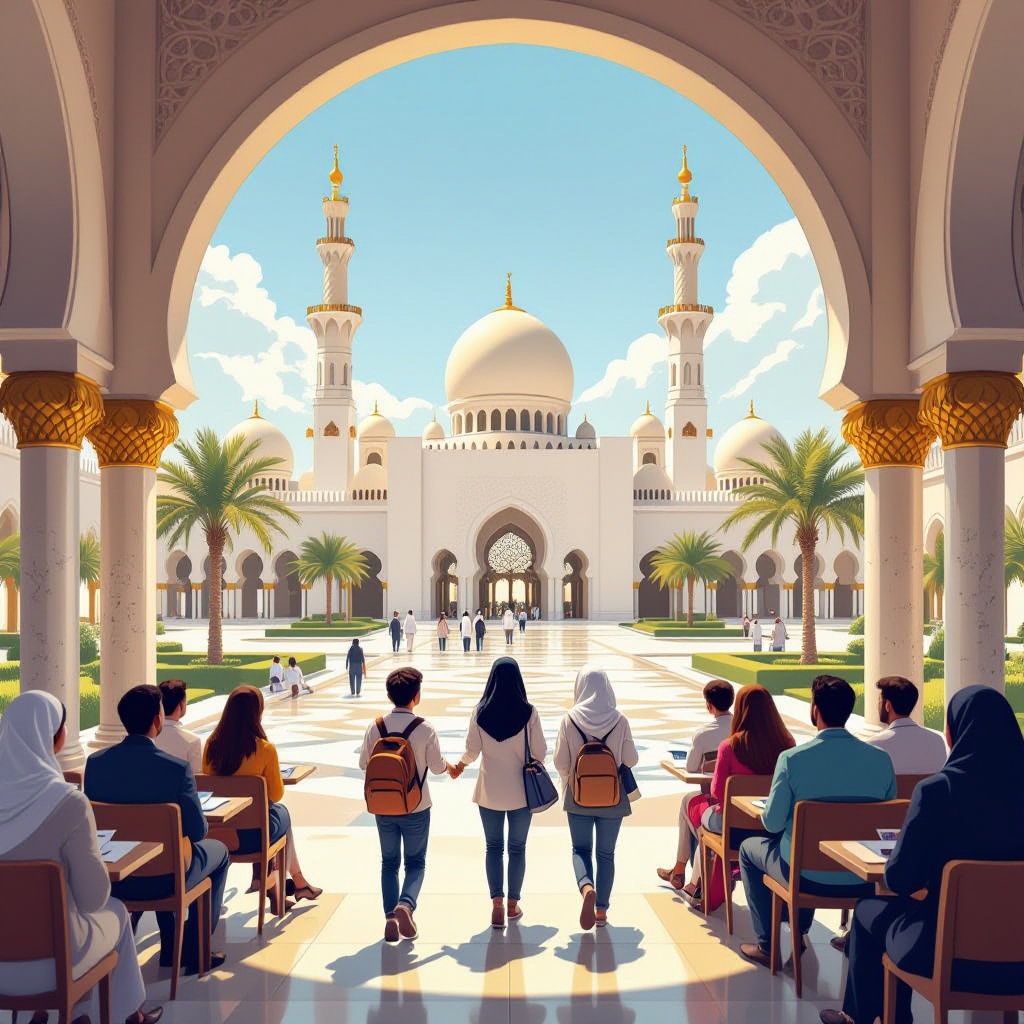
Bridging the Gap: Addressing Transition Challenges
Transitioning from high school to university in the UAE involves adapting to new academic demands and an increased emphasis on soft skills. Students often face challenges with advanced research and communication skills. The shift to digital learning due to Covid-19 further complicated the process, altering traditional learning environments and increasing the urgency for recovery initiatives. Degree Entry Programs and Student Foundation Programs play a crucial role in filling skill gaps. They focus on essential areas:
- Research methodologies
- Effective writing
- Exam techniques
These programs equip students with the tools needed to adapt smoothly into university life. Such initiatives are essential for academic success, especially in adapting to an educational system that values critical thinking and comprehensive skills over rote memorization. These targeted interventions help ensure students are not only ready for university academics but also capable of thriving.

Setting the Benchmarks: Exams and Entrance Requirements
The EmSAT exam plays a crucial role for students in the UAE transitioning from high school to university. This exam is a mandatory exit and entrance benchmark, covering English, math, and physics. Its role ensures students have the necessary skills and knowledge to succeed at the tertiary level. Students who’ve mastered these subjects will find themselves well-prepared for the academic challenges ahead.
In recent years, there’s been a significant policy push towards STEM (Science, Technology, Engineering, and Mathematics), reflecting the country’s commitment to equipping students for the future. The UAE is targeting an ambitious 98% secondary school graduation rate, a testament to its dedication to educational advancement. The focus on STEM is part of a broader strategy to build skills that are highly valued in today’s job market.
Tertiary enrollment in the UAE has seen noteworthy growth, doubling since 2007. By 2016, it reached 159,553 students. This expansion demonstrates the increasing value placed on higher education and how initiatives like EmSAT contribute to opening doors for students. Young people considering the next steps in their education should be aware of these requirements and policies. Adapting to these can provide significant advantages and help them become part of the country’s thriving academic community.

Exploring University Life and Market Trends
University life in the UAE is vibrant and ever-shifting, reflecting the country’s commitment to innovation and education. AI and EdTech have transformed how students learn and engage with academic content. They’re not just tools; they’re catalysts for a more interactive, personalized education experience. By 2030, the education market here is projected to balloon to USD 24.3 billion, highlighting its robust growth potential.
International campuses and partnerships play a significant role in this landscape. They bring diverse perspectives and methodologies, enriching students’ experiences. Universities here collaborate with global institutions to deliver well-rounded programs that meet international standards. This global integration enhances cultural exchange and prepares students for a competitive global workforce.
Hybrid learning models are on the rise. These innovative approaches involve a blend of traditional classroom teaching and online platforms, offering flexibility and accessibility. Students can engage with digital content at their own pace while still benefiting from in-person interactions.
When you explore university choices in the UAE, consider the following factors:
- Integration of AI and EdTech: Look for institutions that use cutting-edge technologies.
- International collaborations: Seek programs with strong global ties.
- Hybrid learning opportunities: Value the flexibility and adaptability they offer.
Understanding these elements will help you make informed decisions about your university experience, ensuring you capitalize on the flourishing educational landscape in the UAE.
Strategic National Priorities and the Global Education Hub
The UAE’s National Strategy for Higher Education 2030 is reshaping education by aligning curricula with industry needs. It sharpens research capacities, embedding AI and digital skills as core competencies. This approach ensures students leave prepared for modern challenges. The UAE stands out as a leading regional education hub, reflecting its impressive literacy rate of 93% and initiatives like the Mohammed Bin Rashid Innovation Fund, which bolsters educational innovation.
Recent initiatives highlight key priorities:
- Embedding AI into all learning processes
- Establishing research centers focused on digital developments
- Updating curricula to meet industrial needs
These efforts not only enhance learning but also position the UAE as a global leader in education, drawing international students with cutting-edge programs and facilities. Such steps cement the UAE’s reputation as a top choice for students seeking advanced, adaptive educational experiences.
Sources:
– UAE Embassy
– elearning.
– World Education News & Reviews (WENR)
– Education Fair
– Al-Fanar Media
– PR Newswire
– Technavio
– Zayed University Scholars
– Knightsbridge