

Recent educational reforms in the Gulf nations, like the UAE and Saudi Arabia, emphasizes on Arabic first and the importance of restoring Arabic fluency in schools. These “Arabic First” initiatives focus on reinforcing Arabic teaching and enhancing cultural identity. They integrate daily Arabic lessons and aim to correct the imbalance created by the dominance of foreign languages in education.
Key Takeaways
- Gulf countries are striving to boost Arabic fluency by giving priority to the native language in daily school curricula.
- Efforts focus on unifying Arabic teaching methods, bridging the gap between colloquial dialects and Modern Standard Arabic.
- Programs aim to address learning shortcomings, raise literacy rates, and balance Arabic with foreign language instruction.
- The initiatives look to reinforce national identity and cultural heritage through Arabic language education.
- Challenges in teaching practices and curriculum quality are being addressed to make Arabic lessons more engaging, especially in private schools.
The Gulf’s Arabic First Initiative: Rekindling Language and Culture
Recent efforts by Gulf nations, including the UAE and Saudi Arabia, spotlight their commitment to boosting Arabic fluency. They’ve introduced policies aiming to reverse declining language skills. These reforms focus on standardizing teaching and bolstering cultural identity, addressing the concern where key subjects are taught in foreign languages, causing a “double standard.”
Data shows a noticeable rise in private school enrollments, but gaps in Arabic education persist. These initiatives emphasize enhancing the Arabic language’s presence within the education system throughout the Gulf, from early education stages onwards. Aiming for comprehensive integration, they confront challenges that private institutions previously left unresolved, striving to preserve the linguistic heritage of the Arab world.For more information on the UAE’s educational reforms, one can look up resources on the UAE Ministry of Education’s official website.
The Role of Arabic in National Identity
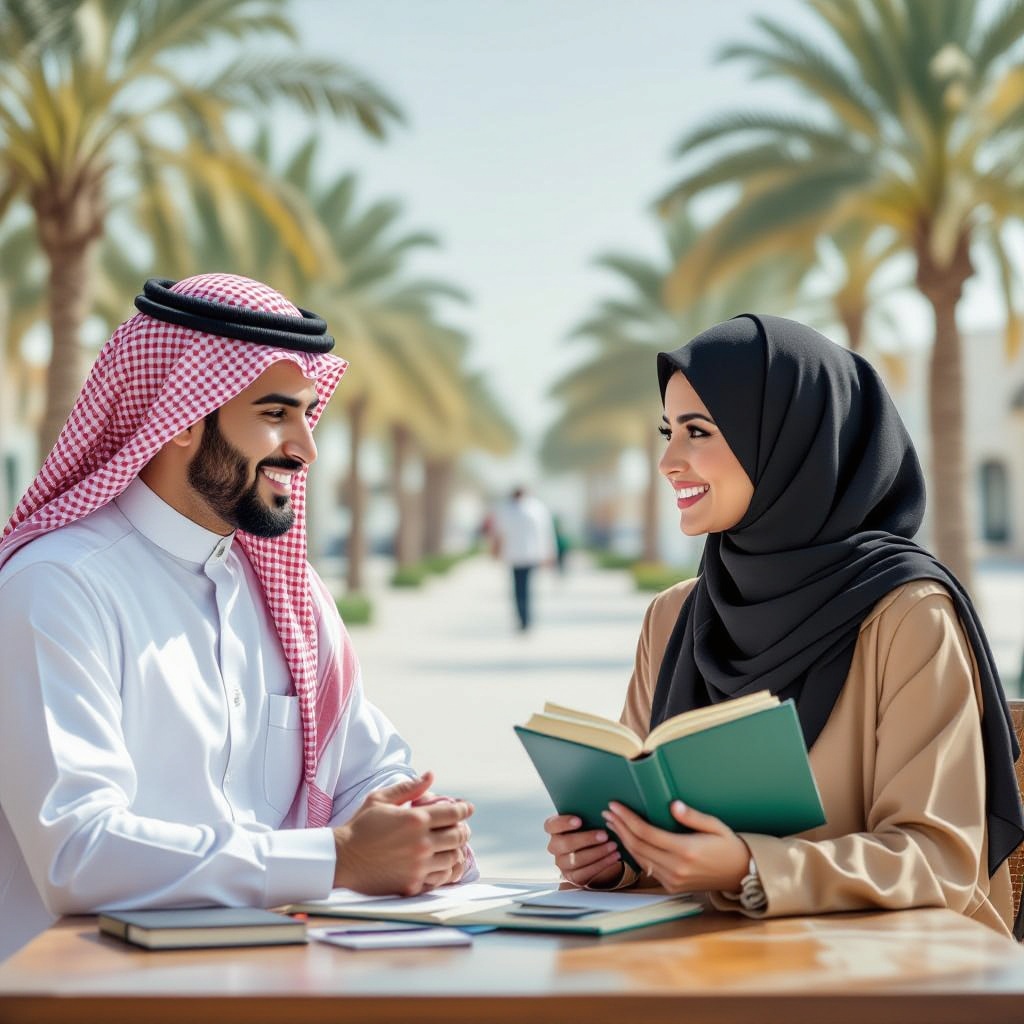
Arabic stands as a vital pillar of national identity, deeply intertwined with Arab cultural heritage and Islamic civilization. It binds communities through shared history, values, and traditions. Arabic’s significance goes beyond communication; it’s a testament to rich legacies and enduring traditions. High-profile initiatives illustrate efforts to elevate Arabic’s status on the global stage. For instance, the King Salman Global Academy for Arabic Language collaborates with ICESCO to bolster Arabic worldwide. Such partnerships demonstrate a commitment not just to preserving, but also to promoting this invaluable asset.
Several facts underscore Arabic’s cultural weight and the dedicated governmental push to amplify its international standing. According to a study by the King Salman Global Academy for Arabic Language, more than 25 nations declare it as their official language, reflecting its profound cultural influence. Governmental programs are on the rise, aiming to weave Arabic firmly into educational systems. Such efforts ensure that future generations appreciate the language’s depth while recognizing its role in shaping identity.
Organizations are making strides, capitalizing on resources to ensure Arabic maintains its rightful place globally. This deliberate advancement elevates Arabic, making it a centerpiece that fosters unity and celebrates a rich cultural narrative. Interested in learning more? Explore initiatives like ICESCO here to see their impact on cultural preservation.
Addressing Educational Challenges: Literacy and Learning Poverty
Over 50% of children in the Middle East and North Africa (MENA) cannot read age-appropriate texts in Arabic by age 10. This situation, termed “learning poverty,” has extensive implications for personal and societal growth. High adult illiteracy rates further exacerbate this, especially among women. In some areas, cultural and economic barriers contribute to low literacy rates, emphasizing the need for focused educational reforms.
The ‘Arabic First‘ policies aim to reverse these troubling trends. By prioritizing Arabic language lessons daily in schools, these initiatives seek to bolster literacy from an early age. This approach targets the foundation of learning, recognizing that proficiency in one’s native language is vital for overall academic success. For children, mastering Arabic will empower them to access a broader range of educational content and develop critical cognitive skills.
The emphasis on Arabic-first curricula is a step in bridging this divide. Countries implementing these changes are setting a precedent in educational reform. Engaging with trusted educational platforms, such as UNESCO, can provide more detailed insights into these efforts. Additionally, exploring teaching resources from organizations like UNICEF can support these educational strategies effectively.

Modern Standard Arabic Versus Colloquial Dialects
Children speaking Arabic often start life using colloquial dialects unique to their regions. They face a unique educational challenge as Modern Standard Arabic (MSA) often appears for the first time in school. This can create a gulf between home language use and educational expectations, adding a layer of difficulty to mastering the curriculum.
One contributing factor is the lower rate of preschool enrollment in some areas. Kids miss out on a crucial period for early exposure to MSA—a foundational step in their education. Without this early exposure, adapting to MSA becomes a significant hurdle once formal schooling begins.
Recent reforms focus on advocating for early exposure to MSA at both home and school. Some initiatives include:
- Emphasizing MSA in daily interactions within preschools.
- Encouraging parents to integrate MSA in home activities and storytelling.
- Standardizing early childhood education programs to incorporate MSA lessons more effectively.
By balancing these efforts, a drive to harmonize the dialects used at home and the MSA taught in schools emerges. For example, UNESCO emphasizes the importance of language preservation and education in maintaining cultural heritage and linguistic diversity. Increasing literacy in both dialects and MSA will help create a more seamless transition for students, fostering language proficiency that bridges the gap between spoken and formal Arabic.
Each step—no matter how small—brings the goal of fluency closer for the next generation of Arabic speakers.
Quality Gaps in Teaching Practices and Curriculum
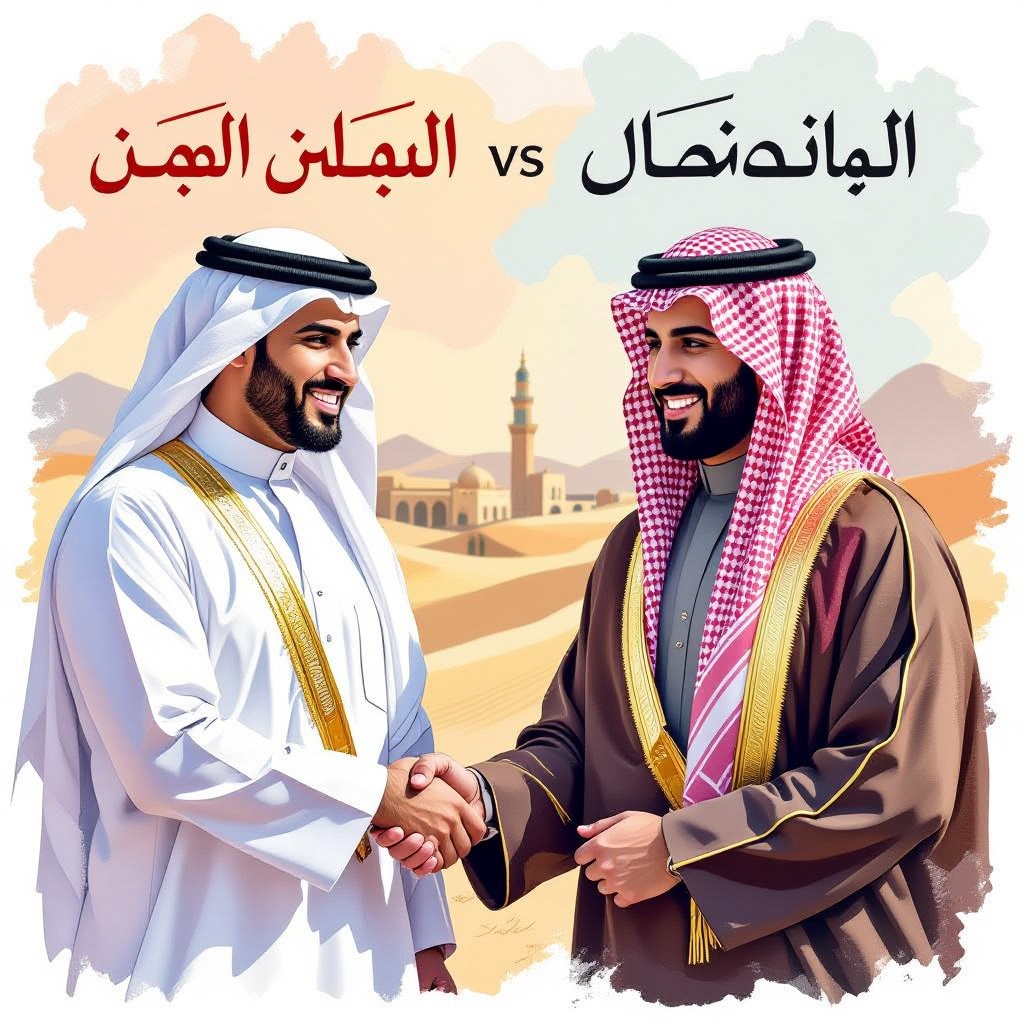
Arabic teaching methods in many Gulf schools have lagged behind those for international languages, particularly in private institutions. Often, the curriculum lacks the dynamism and resources seen in the teaching of languages like English or French, making Arabic lessons less engaging. A case in point is the situation in some private schools where the emphasis on foreign languages sidelines Arabic, leading to inconsistencies in student proficiency.
Recent reforms aim to narrow these disparities by targeting two fundamental elements: teacher training and classroom practices. For instance, the Ministry of Education in Saudi Arabia has launched initiatives focusing on enhancing teacher skills, drawing on successful international models.
Effective interventions are key. Many schools have introduced programs concentrating on early literacy to foster a strong foundation in Arabic. By focusing on phonemic awareness and vocabulary building from a young age, these programs improve students’ literacy levels significantly. An emphasis on creating language-rich environments further supports this development, encouraging practical and lively use of Arabic in daily interactions.
To stay updated with global education advancements, reading about programs like the International Literacy Association’s initiatives can provide valuable insights. You can learn more about such effective learning strategies by visiting their site here for additional resources.
Balancing Arabicization with Englishization in Education
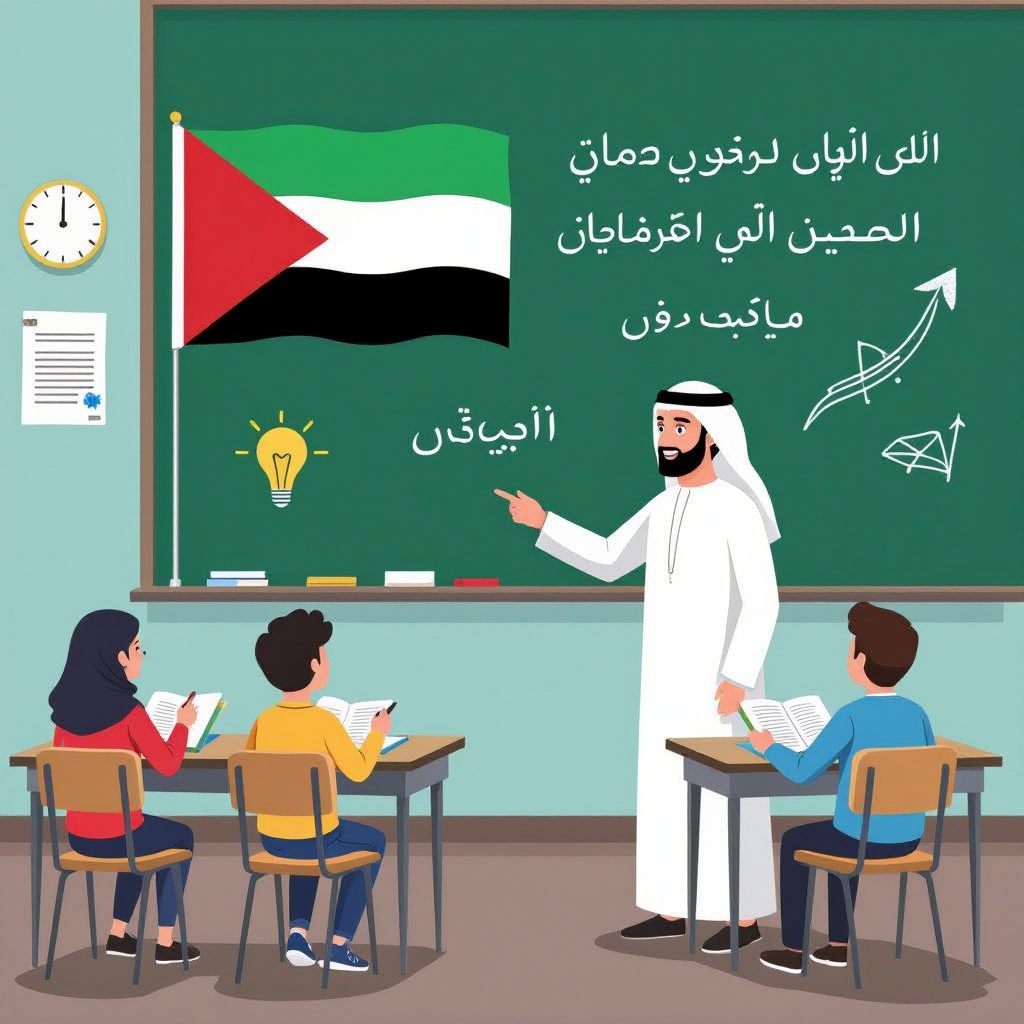
Gulf higher education systems face significant tensions as English increasingly becomes the primary language of instruction. This shift impacts students’ Arabic proficiency, prompting policy debates. ‘Arabic First’ policies aim to find equilibrium in these educational dynamics. These policies advocate for a strong Arabic foundation while retaining English’s global advantages.
Comparing student outcomes reveals distinct differences. Arabic-medium programs often nurture cultural identity and deepen traditional knowledge. Conversely, English-medium programs enhance global competitiveness and open international opportunities.
Several initiatives strive to unify language use in higher education. For instance, some universities offer bilingual courses where essential content is taught in both languages. This dual approach fosters balanced linguistic skills and promotes cultural and global engagement simultaneously.
Institutions like the Ministry of Education of Saudi Arabia emphasize these strategies as a means to strengthen both languages among students, reflecting the ongoing effort to refine educational systems in Gulf countries. For more insights on language education policies, visit the British Council.
Sources:
ERIC – Education Resources Information Center, “EJ1410092”
DVV International, “Illiteracy in the Arab World”
World Bank, “Advancing Arabic Language Teaching and Learning: Path to Reducing Learning Poverty in the Middle East and North Africa”
GIALens, “Arab Illiteracy: An Overview”
ICESCO, “The Status of Arabic Language Education in the World Report”
PubMed Central, “PMC9975733”
Arab Center Washington DC, “The State of Education in the Arab World”
Language on the Move, “Is Arabic under threat on the Arabian Peninsula?”