

The Gulf is riding a transformative wave in education, powered by digital platforms and technologies such as AI and adaptive learning. These investments in personalized, localized, and flexible educational models aim to integrate technology in the classroom while ensuring cultural relevance and inclusivity in learning for every student.
Key Takeaways
- Gulf countries lead with high smartphone adoption rates, expected to hit 91% by 2025, outpacing regions such as the US and Australia.
- AI and adaptive learning technologies play a central role in creating personalized educational pathways in the GCC, aligning strongly with Saudi Vision 2030 and regional transformation strategies.
- There’s a notable increase in government investment in EdTech, with market projections reaching USD 7.19 billion by 2035, highlighting a commitment to digital education.
- The pandemic has quickened the shift to blended learning models, combining face-to-face and digital instruction for a more sustainable future in education.
- Efforts to bridge digital divides include initiatives like offering free mobile data and enhancing infrastructure, crucial for achieving inclusivity and accessibility in education.
Revolutionizing Education: The Gulf’s Digital Transformation Journey
In recent years, there’s been a remarkable surge in the adoption of digital platforms, virtual learning environments, and mobile learning apps across Gulf education systems. This digital shift is reshaping how students in the region engage with learning. Projections show smartphone adoption rates in places like Bahrain and the UAE are on track to reach 91% in the GCC by 2025. That’s expected to outpace even regions like the US and Australia, according to Business Insider.
As digital tools rapidly become an integral part of education, it’s essential to harmonize them with human-centric teaching approaches. To effectively transform education, these tech solutions must work hand in hand with the educators’ personal touch. For those passionate about edtech UAE trends, exploring resources such as EdSurge can provide valuable insights. Virtual and mobile learning promise a future where education is more accessible and personalized than ever before.
AI & Adaptive Learning: Personalized Pathways to Success
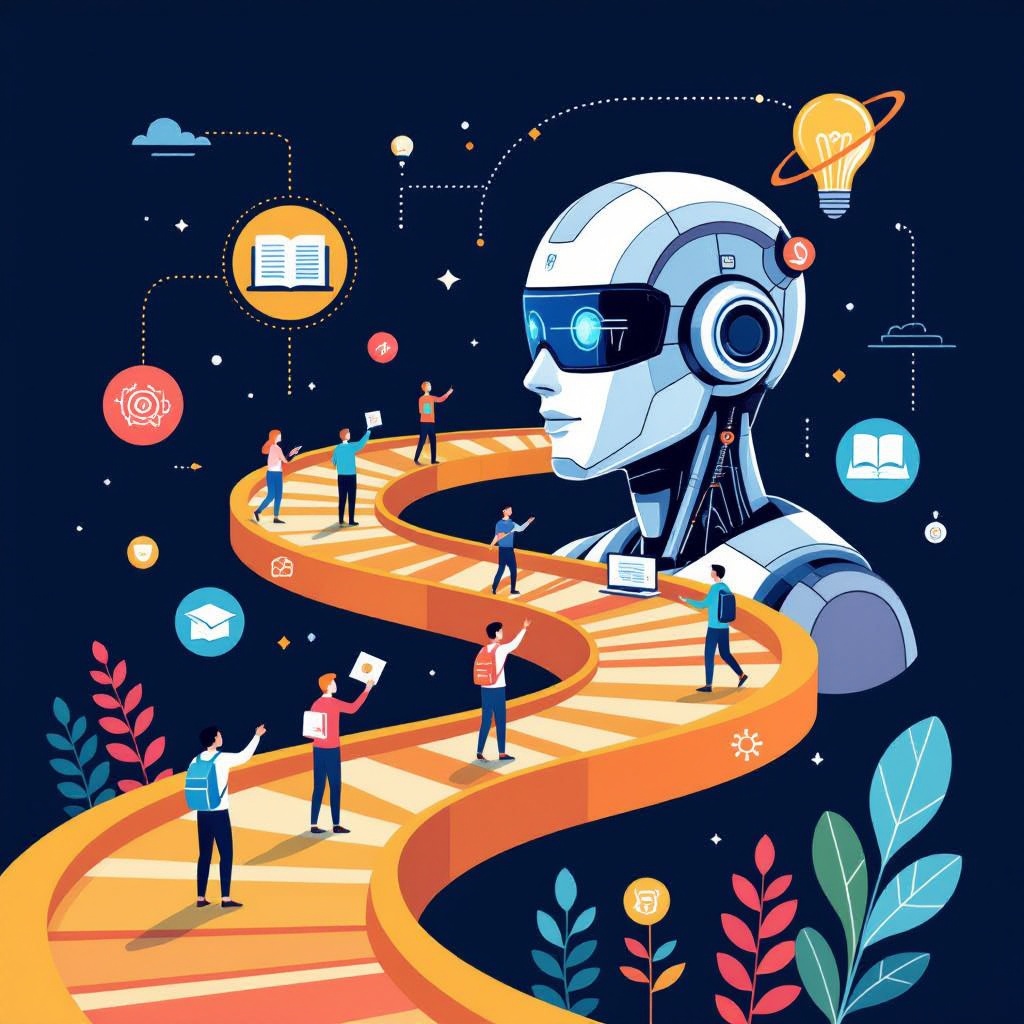
Saudi Arabia and the UAE are pouring resources into generative AI and adaptive learning tech, making waves in how students learn. These initiatives are shaping the regional educational scene. With the Gulf Cooperation Council (GCC) EdTech market expected to grow at an annual rate of 6.74% from 2025 to 2030, AI’s impact on personalizing education can’t be understated.
Key policy shifts like Saudi Vision 2030 and the National Transformation Program are vital catalysts. They’re driving efforts using AI in education across the Gulf. By prioritizing technological advancements, these countries aim to create learning paths tailored to each student’s needs. For a deeper dive into Saudi Vision 2030 and its educational aspirations, consider visiting the Saudi Vision 2030 official website.
Such initiatives signal a bright future, where AI not only enhances efficiency but also enriches the learning journey, crafting pathways to success.
Fueling EdTech: Government Investment and Market Growth
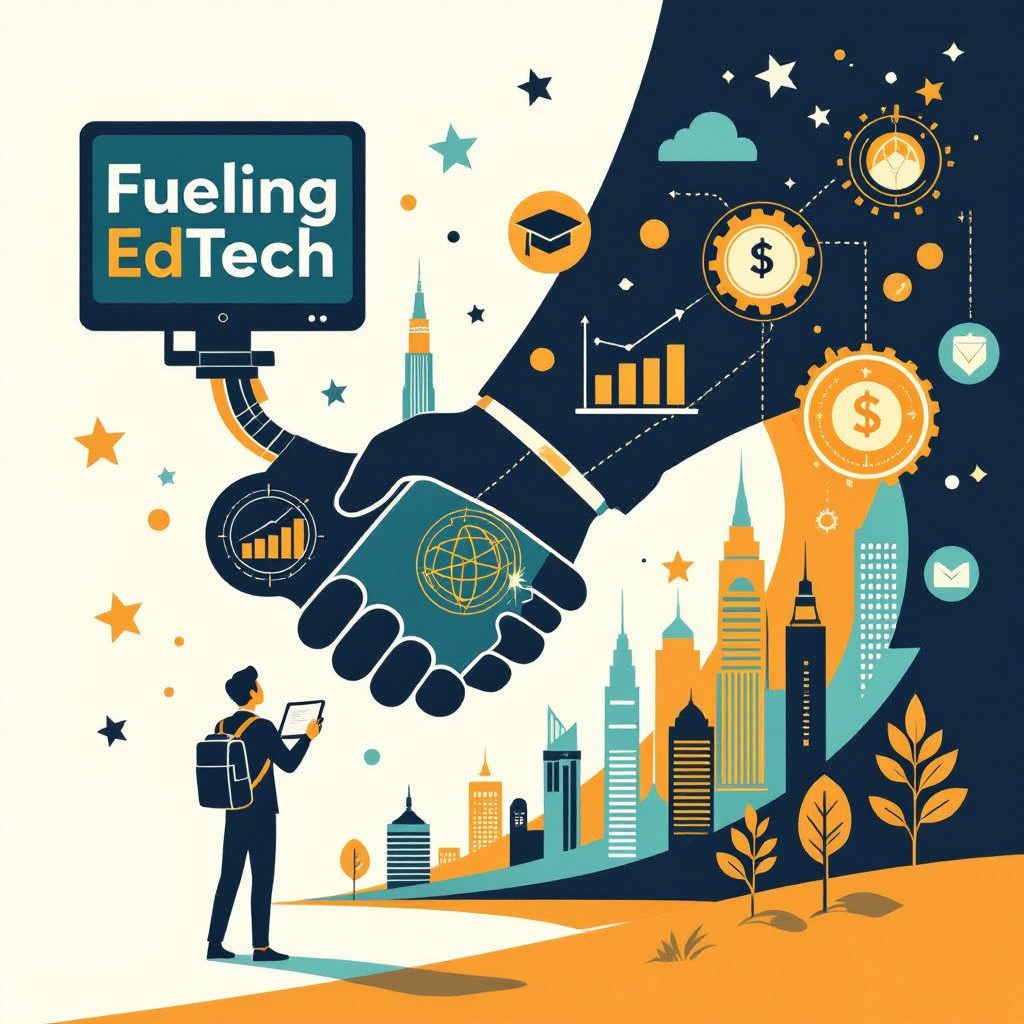
Government investment in educational technology (EdTech) is on the upswing, with an impressive 15% budget increase. This surge indicates a significant shift in priorities. By 2035, the GCC’s EdTech market size is projected to hit USD 7.19 billion. Such growth underscores the region’s commitment to digital education.
The pandemic fueled a major shift toward online platforms. During this time, users swelled by 30%. Many of these users have remained, altering the landscape of learning. The lasting impact has pushed both individuals and institutions to rethink educational methods.
National agendas play a crucial role in fostering this trend. The UAE’s ‘National Strategy for Higher Education 2030‘ is an exemplar. It outlines comprehensive plans to enhance digital learning. By placing strong emphasis on technology integration, these strategies set a new standard for educational aspirations in the Gulf.
If you’re curious to see how these numbers stack up globally, check out this report by ResearchAndMarkets for worldwide insights. And for a deeper look at UAE’s strategy, visit the UAE Ministry of Education’s official page.
The dedication to EdTech, coupled with these strategic investments, not only benefits current learners. It also paves the way for a more interconnected and technology-driven education system in the Gulf.
Blended Learning Models: A New Era of Flexibility
Hybrid learning has emerged as a versatile approach, blending in-person experiences with digital resources seamlessly. Before the pandemic, traditional classrooms dominated, with digital tools playing a supplementary role. During COVID-19, remote learning platforms took center stage, and now a balanced blend is developing. The sustainable model combines the best of both worlds: face-to-face interaction and digital instruction.
Platforms like KSA’s Madrasati have become pivotal. They highlight innovative models introducing flexible education delivery. Now, specialized tech departments formed during the pandemic continue to support these blended approaches, ensuring teachers and students access the latest tools and resources.
This evolution in education underscores a crucial shift. It’s about crafting sustainable education models where students receive a comprehensive, adaptable learning experience. With the support systems now in place, this flexible delivery method isn’t just a trend; it’s a lasting change. For more insights on modern educational trends, visit EdTechReview.

Empowering Through Localization and Cultural Inclusion
Localization in education isn’t just about translating content—it’s about embedding the local identity right into the fabric of learning. Culturally relevant content enhances engagement and boosts learning outcomes by making education feel more relatable. Imagine how a math problem framed within a local festival can spark interest compared to a generic one about, say, apples and oranges.
Let’s contrast education materials. A history lesson that aligns perfectly with a Western narrative might glaze over significant aspects of Gulf history, making it hard for students in GCC countries to connect. In contrast, localized resources draw on regional history and events, fostering a deeper understanding and connection. A study from the UAE showed that incorporating local dialects and context in lessons kept student interest high and improved retention rates, according to the UAE Education Ministry.
Localized EdTech platforms are essential for realizing these benefits. They cater specifically to Gulf students by fostering an environment where local customs, languages, and traditions are the backdrop for learning. Platforms like Noon Academy have successfully done this in KSA, capturing the attention of students by offering courses infused with regional flavors.
For more on how cultural nuances impact learning, check out Education in the GCC. Tailored educational experiences that prioritize cultural relevance are the way forward, ensuring that every learner feels included and empowered. This approach not only honors the rich heritage of the Gulf but also helps students thrive in an increasingly connected world.

Facing Challenges: Bridging Digital Gaps in Education
In the Gulf, digital inclusion faces hurdles due to uneven access and infrastructure limitations. Bridging these gaps means addressing access barriers and boosting digital literacy among students and educators. The UAE, for instance, offers free mobile data to enhance accessibility—a notable initiative that’s been making waves (Gulf News). When evaluating digital tools across the Gulf, there are vast differences. Some nations excel with high-tech classrooms, while others lag behind due to insufficient infrastructure.
Here are essential moves that can help narrow the digital divide:
- Provide Affordable Internet Access: Free or subsidized internet can greatly reduce barriers.
- Invest in Infrastructure: Ensure every region has the necessary tools.
- Enhance Digital Literacy Programs: Training initiatives for both educators and students foster a more inclusive digital environment.
These best practices exemplify methods to transform challenges into opportunities for educational progress.
Frequently Asked Questions
📱 How is mobile learning transforming education in the Gulf?
Mobile learning apps and virtual platforms are revolutionizing education across the Gulf by increasing access and flexibility. With smartphone adoption expected to reach 91% in the GCC by 2025, students can now engage with personalized content anytime, anywhere. This mobile-first trend is reshaping how learners in the UAE and beyond consume knowledge.
🤖 What role does AI play in Gulf education systems?
AI and adaptive learning technologies are creating personalized learning pathways for students in Saudi Arabia and the UAE. By aligning with initiatives like Saudi Vision 2030, the region is investing heavily in AI in education to customize instruction and enhance outcomes. This signals a shift toward smarter, data-driven learning experiences.
🌐 Why is government support important for EdTech success?
Government investment is a driving force behind the exponential growth of the GCC EdTech market, projected to reach USD 7.19 billion by 2035. Policies like the UAE’s National Strategy for Higher Education 2030 demonstrate a strong commitment to digital transformation in education. These initiatives ensure infrastructure, funding, and innovation stay aligned.
📚 What is blended learning and why is it gaining popularity?
Blended learning combines digital tools with traditional in-person teaching, offering students flexibility and engagement. Post-pandemic, platforms like Madrasati in KSA have become central in facilitating this hybrid model. It’s a sustainable solution meeting modern educational demands while keeping human connection intact.
🌍 How does localization enhance digital education in the Gulf?
Localization tailors learning materials to the cultural and linguistic context of Gulf students. From using local dialects to referencing regional stories, it boosts student connection and retention. EdTech platforms like Noon Academy exemplify how localized content leads to higher engagement and academic success.
🚧 What are the biggest challenges in achieving digital inclusion?
Digital education in the Gulf still faces barriers like uneven access and limited infrastructure. Initiatives such as offering free mobile data in the UAE are helping to close the gap. However, continued investment in digital literacy and affordable access remains essential for inclusive, equitable learning.
Sources:
Consultancy-me.com – Learning & Development in the GCC: 10 trends for 2025
PwC – Elevating Education with Emerging Technologies
Markntel Advisors – GCC EdTech Market
Market Research Future – GCC EdTech Market
Proven Solution – 7 New Trends in Educational Technology in the GCC
Digital Defynd – Middle East EdTech Facts & Statistics
PwC – Emerging Technology Trends in the Middle East 2025
Kinde Pedia – Education Trends in GCC Countries by 2027
Gess Education – Education Trends to Watch by 2025: Insights from UAE Educators
BCB UAE – Future of Learning in the GCC: How Much Can We Contribute to Education Technology