
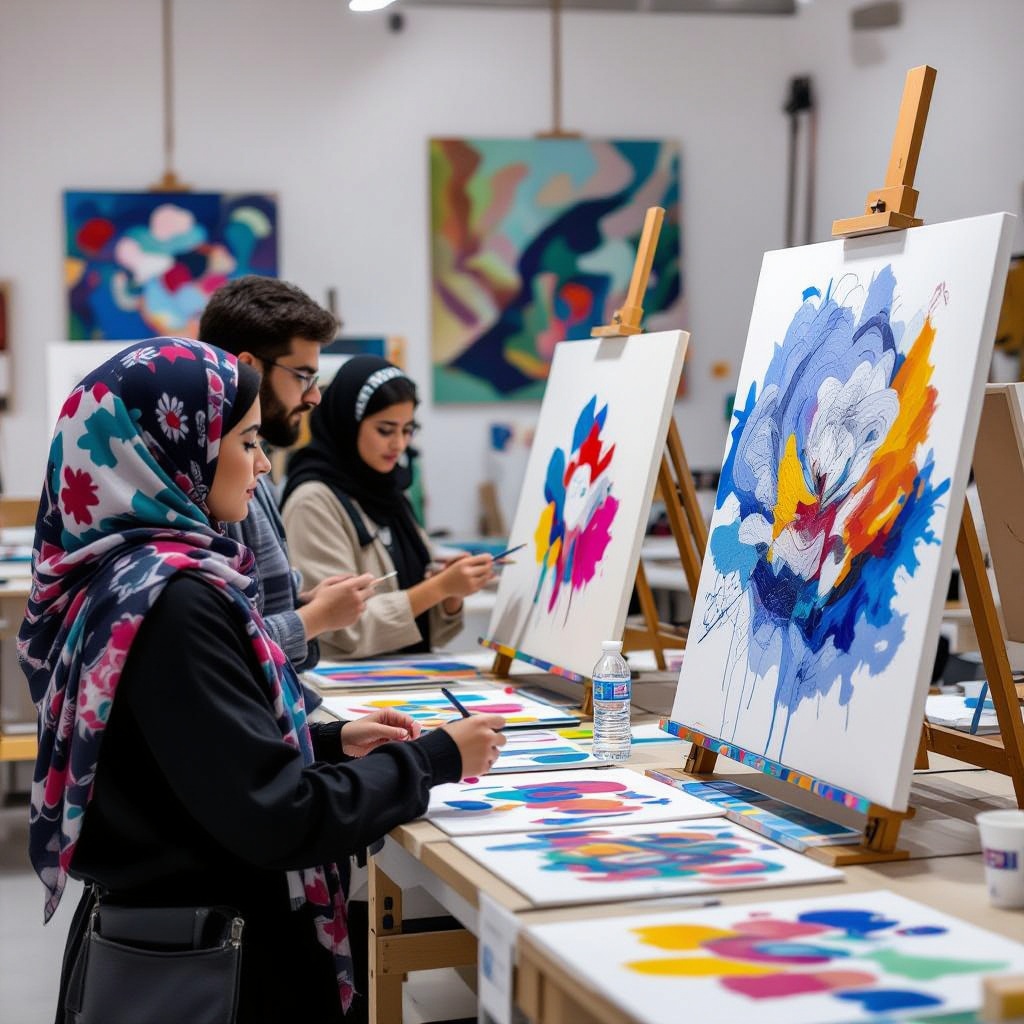
Arts and culture education in the Gulf is experiencing a dynamic shift. Innovative programs and initiatives are driving this change, boosting national identity and economic growth alike. Significant investments, including Saudi Arabia’s “Season of Culture” and the UAE’s integration of art into education, empower youth and local artists. These efforts are placing the region on the global stage as a vibrant arts hub.
Key Takeaways
-
Gulf countries, especially the UAE and Saudi Arabia, are actively investing in arts and culture to enrich national identity and drive economic growth.
-
The arts and culture sector significantly boosts GDP, with aims to align with the global benchmark of contributing 5% to GDP.
-
Noteworthy investments in cultural infrastructure, like the Louvre Abu Dhabi and Dubai Opera, are elevating the Gulf’s status as a global cultural hub.
-
Innovative educational programs and emerging cultural districts are reshaping how arts education fits into mainstream schooling across the region.
-
Digital advancements in arts education are making learning more accessible. Platforms now offer interactive and engaging art studies.
Creative Arts & Culture Education: A Catalyst for Transformation in the Gulf
The Gulf countries are placing growing importance on arts and culture, enriching national identities and invigorating economies. Initiatives like the UAE’s “Year of Cultural Authenticity and Heritage” and Saudi Arabia’s “Season of Culture” emphasize this trend. These campaigns boost cultural authenticity and spotlight national heritage.
Economically, the arts and culture sector is making notable contributions. In the UAE, it accounts for 2.6% of GDP, while in Saudi Arabia, it contributes 1.7%. Both countries aim to increase these numbers close to the global potential of 5%. Efforts by the Abu Dhabi Cultural Office highlight the ambition to establish the Gulf as a vibrant arts center. If you’re curious about how culture can drive economic growth, check out this article from the World Economic Forum.
Additionally, the push for cultural tourism helps position the Gulf globally as an arts hub, attracting creatives and enthusiasts from all corners of the globe.
Building a Strong Cultural Infrastructure: The Gulf’s New Frontier
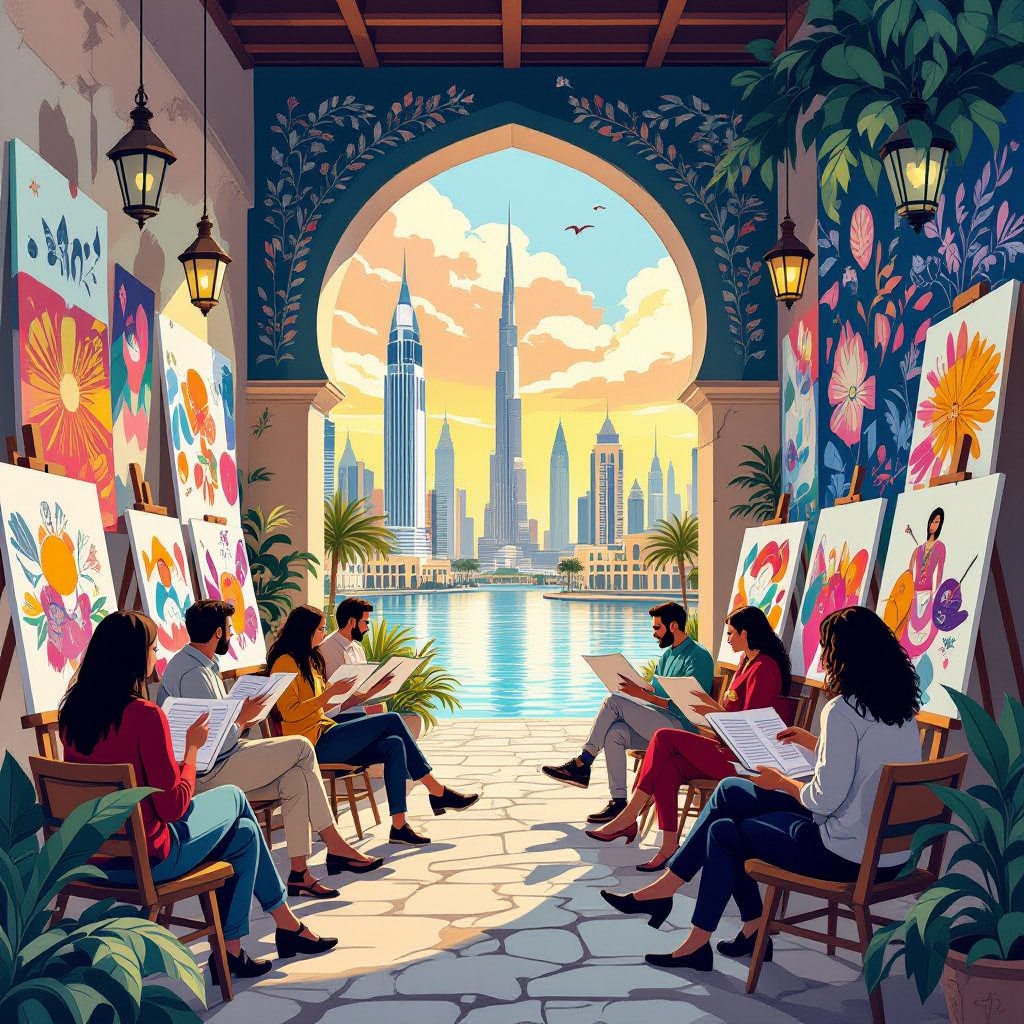
The Gulf is truly making waves with its investment in cultural infrastructure. Iconic sites like the Louvre Abu Dhabi and Dubai Opera aren’t just attracting art enthusiasts—they’re turning heads globally and boosting tourism. They’re doing more than just filling seats; they’re transforming how we view the Gulf as a cultural center. These museums, galleries, and theaters are not just about showcasing art; they’re catalysts for a broader cultural revolution.
Now, let’s chat about the United Arab Emirates’ ambitious plans for arts and culture education. By 2025, 15.3% of the federal budget is set to support education, breathing new life into creative studies. They’re not just splashing money around; they’re sparking a glow in the creative industry that’s undeniable. This commitment to funding demonstrates a desire to nurture a new generation that not only appreciates but also contributes to the global arts scene.
But the spotlight isn’t just on education. These investments are carving out cultural districts that position the Gulf as a competitive player in the arts. The long-term effect of these projects is a testament to how infrastructure can redefine a region. Curious to explore these renowned sites yourself? Consider exploring the Louvre Abu Dhabi’s official site or even planning a night at the Dubai Opera to experience the buzz firsthand. The Gulf is not just watching but shaping the art and culture narrative.
Educational Revolution: Nurturing Talent Through Specialized Arts Education
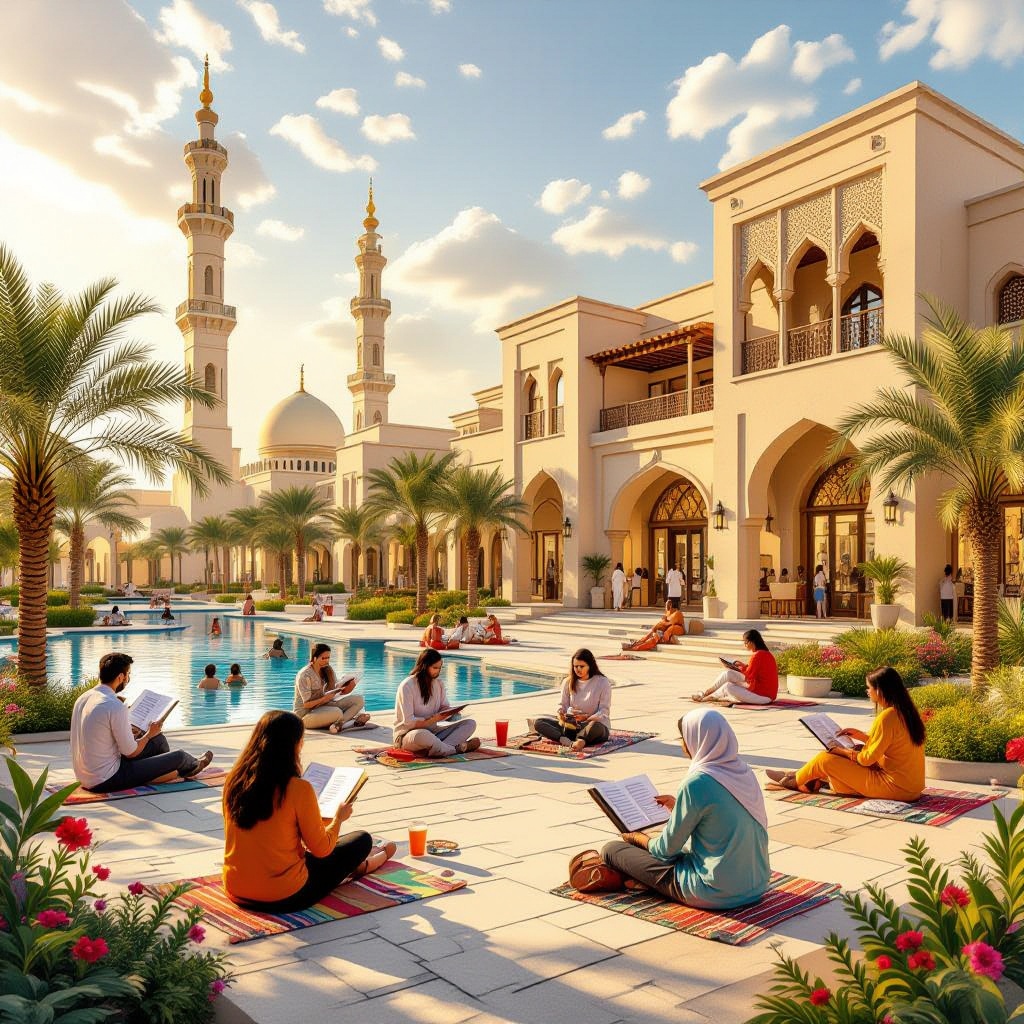
The Gulf is witnessing a transformation, thanks to new arts academies and innovative curricula that bring the arts into K-12 and higher education. Once overlooked, arts education now plays a key role in developing local talent across the GCC. Saudi Arabia stands out with its burgeoning cultural academies, reshaping how the country’s youth engage with the arts.
These shifts aren’t just about promoting creativity in classrooms. They’re cultivating future artists who can build sustainable careers in a rapidly growing industry. By incorporating arts into mainstream education, the region is laying the groundwork for a vibrant cultural future.
One excellent example is the Royal Commission for AlUla, setting the stage for cultural education. Such initiatives could see young creatives thrive in various roles, from aspiring musicians to accomplished filmmakers, contributing positively to the Gulf’s artistic landscape UNESCO.
Empowering Artists: Support Systems for Unleashing Creativity
Artist grants, residencies, and exhibitions in the Gulf are setting a new standard for creative support by building a nurturing environment. Many innovative programs are really making a difference. These initiatives offer artists the chance to receive funding, gain valuable exposure, and foster their creative drive.
Consider the public-private partnerships boosting this movement. Governments and private companies are working together to create a solid foundation for the arts. This collaboration ensures a broad range of support, benefiting both budding and seasoned artists. By pooling resources, they provide grants and host prestigious exhibitions and competitive residencies.
When I look back a decade, the resources for artists were almost non-existent. Today, there’s been significant progress. The growth in available support systems highlights an exciting path for future self-sufficiency in the arts sector. More artists are thriving without needing to leave the region for opportunities.
For those eager to explore contemporary art support systems further, examining the development of artist grants and residencies can offer revealing insights into how the landscape has changed over time. Websites like Artsy or The Art Newspaper can provide deeper information about current and past initiatives. These resources underscore the possibilities that lie ahead. The Gulf region is emerging as a powerful arts hub. Its programs are helping to shape creative futures and solidify the region’s importance on the global art scene.
Digital Innovation in Arts Education: Embracing the Future
Digital learning and gamification are completely changing arts education. The UAE’s edtech sector is a prime example of this transformation. It’s making arts education more interactive and accessible. With exciting tools like virtual reality and interactive storytelling, students engage like never before.
Online courses are no longer just supplementary. They’re becoming a cornerstone of learning. The UAE education market, expected to grow by USD 5.1 billion from 2025 to 2029 at an 8.6% CAGR, is a testament to this shift. This expansion reflects a keen interest in adopting digital methods to enhance the arts. Students across various regions benefit from this, bringing the classroom right to their fingertips.
Let’s consider some exciting examples. Platforms in the UAE offer arts courses that reach even the most remote learners. These platforms leverage digital tools to break down traditional barriers. Students can access courses from anywhere, fostering a truly global classroom environment. By embracing these technologies, education isn’t limited by geography anymore.
The integration of cutting-edge technologies doesn’t just make arts education accessible; it makes it engaging. Imagine students learning painting techniques through interactive apps or exploring art history with virtual museum tours. These tools bring subjects to life, making education more relatable and immersive. To learn more about how digital learning is changing education worldwide, you might find insights on edtech solutions intriguing.
Cultural Festivals: Catalysts for Cross-Cultural Engagement
Cultural festivals in the Gulf have grown significantly over the past decade, acting as powerful tools for cross-cultural engagement. Take the Dubai International Film Festival, for instance. It has not only brought international cinema to the region but has also promoted cultural exchange on a grand scale. The Sharjah Biennial, another standout, offers a platform for artists worldwide, bridging gaps between varied cultural narratives.
These international events foster inclusivity by drawing diverse audiences from the GCC and beyond. Community arts programs play a critical role as well. They help societies embrace diversity, creating spaces where everyone’s voice matters. Events like these cultivate an environment of learning and mutual respect, encouraging artists and audiences to explore new cultural dimensions.
There’s no denying the impact on cultural tourism and the local arts scene. Over the years, there’s been a noticeable rise in tourists attending these festivals, eager to experience the richness of Gulf arts and culture. According to a report by the Dubai Culture & Arts Authority, such interest has not only benefited artists but has significantly boosted the local economy.
For those interested, platforms like Time Out Dubai offer detailed information on upcoming cultural festivals and other events to explore in the region, helping you stay connected with the thriving arts scene.
Frequently Asked Questions
🎨 Why is arts and culture education so important in the Gulf?
The Gulf is embracing arts and culture education as a key driver for social identity and economic diversification. Governments in the UAE and Saudi Arabia are investing in creative programs to build talent, promote heritage, and participate in the global arts scene.
🏛️ How is cultural infrastructure transforming the Gulf?
Landmarks like the Louvre Abu Dhabi and Dubai Opera are turning the Gulf into a global cultural hub. These investments are not only fueling tourism but also redefining the region’s reputation as an epicenter for arts and creativity.
📚 What role does education funding play in arts development?
The UAE’s decision to allocate 15.3% of its federal budget to education reflects a strong commitment to building a vibrant creative workforce. This funding supports specialized arts programs across K-12 and higher education, preparing students for careers in the cultural sector.
🧑🎨 How are artists in the Gulf being supported today?
Through grants, residencies, and public-private partnerships, creatives in the Gulf now have access to funding and global exposure. These support systems have dramatically improved the landscape for emerging and established artists alike.
💡 How is technology changing arts education in the UAE?
The UAE is leading the way in digital arts education, using platforms that incorporate virtual reality and gamification. These tools make learning more engaging and accessible, helping students from remote areas connect with global content.
🌍 What impact do cultural festivals have on the region?
Events like the Dubai International Film Festival and Sharjah Biennial promote cross-cultural dialogue and foster inclusivity. They also attract international visitors, boosting cultural tourism and enriching the local arts scene.