

Tackling assignment writing often poses challenges that can diminish both clarity and quality. Common pitfalls include misinterpreting prompts, forming weak thesis statements, poor organization, unreliable sourcing, procrastination, and insufficient proofreading. This guide dives into these issues, providing actionable advice to boost writing skills and achieve better academic results. Key Insights: Fully grasp and clarify what each assignment requires to prevent misunderstandings. Develop a clear and arguable thesis statement. It serves as the backbone of a strong argument. Use outlines and paragraph templates for a logical structure that improves readability and holds interest. Rely on credible, peer-reviewed sources to craft arguments that are both authoritative and persuasive. Manage your time wisely and proofread with care to enhance the quality and flow of your writing. Misinterpreting assignment prompts is a top reason students score poorly. The problem often lies in overlooking instructions or failing to grasp the objectives. A clear understanding of assignment requirements is crucial to staying on topic and using the correct format. Avoid Misunderstanding Assignment Requirements First, read the assignment brief more than once. This will help ensure all details are clear. Highlight specific requirements and identify any keywords that pinpoint the focus or objectives. If anything still seems unclear, don’t hesitate to ask your instructor for clarification. This proactive approach can save time and effort later. To help track assignment requirements, consider using a checklist. This checklist can streamline the process, ensuring all aspects are covered. Here’s a simple template you might find useful: Read the assignment brief multiple times Highlight key requirements and objectives Identify assignment keywords for clarity Seek clarification from your instructor for any confusions Check for specific format instructions By following these steps, you can stay aligned with the intended goals of your assignment. This diligence often results in clearer, more focused responses that meet the expected criteria. It transforms an overwhelming process into one that’s more manageable and rewarding. Crafting a Strong Thesis Statement A sloppy thesis statement can derail your entire assignment. Get specific and relevant with your arguments to avoid confusion. A strong thesis not only correlates with clearer arguments but also higher assessment scores, as shown in numerous studies. To craft a stellar thesis, focus on specificity and ensure it’s debatable. A vague thesis dilutes your argument. For example, “Pollution affects the environment” is weak. It’s overly broad and doesn’t guide the reader. A stronger version could be, “Industrial pollution significantly damages marine ecosystems by increasing water acidity and reducing biodiversity.” This version gives a clear, specific, and debatable argument, setting a solid foundation for your paper. Clarity is vital. Avoid jargon and convoluted phrases. Stick to the central argument, ensuring each subsequent paragraph aligns with it. Iterative refinement during your drafting process helps fine-tune your statement. Don’t hesitate to revise your thesis as your understanding deepens and your research expands. Keep aligning it with the evidence and arguments you present. Craft a strong thesis, and your paper will naturally convey confidence and expertise. It’s a key step to elevating your writing and ensuring your arguments remain compelling and focused. Ensuring Organization and Structure A disorganized essay makes your arguments hard to follow, leading to disengagement. The structure of your writing is crucial. It enhances the logical flow and coherence, which can improve scores by up to 15% on rubric-based assessments. To maintain this, I recommend creating outlines before diving into writing. An outline acts as your roadmap, aligning your thoughts and arguments clearly. Another effective method is using paragraph structure templates. They offer a straightforward way to maintain a focused narrative. Here’s a simple template to consider: Topic Sentence: State the main idea. Supporting Sentences: Provide evidence or examples. Concluding Sentence: Summarize the paragraph’s main point or transition to the next paragraph. Let’s compare a well-structured paragraph with a poorly structured one: Well-Structured Paragraph Poorly Structured Paragraph Begins with a clear topic sentence that presents the main idea. Starts abruptly with no clear focus. Follows with supporting sentences that include evidence or examples. Jumps between points with no logical connection. Concludes with a sentence that summarizes the paragraph or transitions smoothly to the next idea. Ends without effectively wrapping up the ideas, leaving the reader confused. Adopting these strategies enhances clarity and ensures that your arguments resonate effectively with readers. Effective Research and Source Utilization Relying on non-academic or unverified sources in your assignments raises the risk of spreading misinformation. Insufficient research leads to weak arguments that fail to convince. Assignments backed by peer-reviewed references are more authoritative, with 78% of academic graders considering them superior. I advise focusing on credible sources to enhance your work’s reliability. Use scholarly databases instead of popular search engines to find substantiated data. To ensure the reliability of your sources, consider this checklist: Verify the author’s credentials and expertise. Check the publication date for relevance. Look for citations and references within the source. Examine for a bias or any potential conflicts of interest. Ensure the source is peer-reviewed. Engage deeply in research, and prioritize the use of well-substantiated evidence in your writing. This approach will enhance the quality and credibility of your assignments. Managing Time and Avoiding Procrastination Starting late often results in rushed research, incomplete drafts, and stress, which directly impacts the quality of your work and, ultimately, your grades. Research indicates that 85% of students kick off assignments less than a week before the deadline, often leading to lower grades. Embracing effective time management and tackling procrastination head-on can be a game changer. Use calendars or project management tools to keep yourself organized and on track. A well-structured timeline can guide you through each stage of the assignment. Here’s how you might break down the process: Research Phase: Begin at least three weeks before the deadline. Allocate time for gathering and reviewing relevant materials. Outline Development: Two and a half weeks out, outline your ideas and structure your argument. Drafting: Start drafting sections two weeks before the due date, allowing time for initial edits. Revisions: One week to five

How to Deal with Assignment Deadlines and Reduce Last-Minute Stress
Facing assignment deadlines often triggers a last-minute rush, amplifying stress and compromising the quality of student work. To ease this tension, consider strategies like strategic scheduling, flexible deadlines, and practical time management. These approaches can ease deadline-related stress and improve the quality of submissions. Key Takeaways: Plan deadlines strategically to encourage timely submissions and reduce last-minute anxiety. Procrastination often results in lower-quality work and more errors. Flexible deadline policies help students balance workloads and lessen stress. Prioritizing tasks and using digital tools can significantly boost productivity and performance. Breaking down tasks early and starting assignments soon after they’re assigned lead to better grades and lessen stress. Understanding the Urgency: How Deadline Placement Influences Behavior Deadlines serve as significant drivers for students, often leading to a frenzy of activity known as the “deadline rush.” This boils down to the dramatic increase in study motivation as the deadline looms, particularly noticeable in the last few weeks before submission. Graphs typically show a sharp spike in submissions just before a deadline, highlighting a pattern of cramming. Research suggests that the timing of a deadline significantly affects student behavior. For instance, assignments due Friday midnight often see a varied submission timing compared to those due early in the morning. By examining data tables, you can see trends indicating that strategic scheduling—such as midweek mornings—can help standardize submission patterns and potentially alleviate last-minute stress. This insight can aid in crafting more effective academic schedules, reducing the pressure of that final rush. The Last-Minute Phenomenon: Risks and Realities of Procrastination Over 60% of students rush their assignments, finishing them within the final 24 hours. This last-minute race isn’t just about procrastination; it threatens the quality of work. Assignments submitted closer to deadlines, especially at night, often carry more errors. Early submissions typically fare better. Time pressure can lead to overlooked details and weaker arguments. Using RAST metrics helps in understanding the link between when a student submits work and their academic results. These metrics are convincing, predicting poor grades more accurately. Last-minute submissions often indicate rushed thinking, leading to lower-quality work. For students, this can mean missing out on opportunities to improve grades. Reducing procrastination can result in clearer, more polished assignments. Alleviating Stress with Flexible Policies and Extensions Creating a two-tiered deadline system can ease stress significantly. A study shows 80% of students prefer this method. They find it helps manage their workload more effectively. Using extensions allows them to balance their responsibilities better. Reduced stress levels and improved coursework management follow. Flexible deadlines prioritize quality over speed. When instructors are clear about their expectations, students can focus on delivering high-quality work. They’re also more inclined to use extensions. This understanding between students and instructors boosts the willingness to pursue extensions without guilt. Key considerations for implementing flexible policies: Communicate expectations clearly: Instructors should outline their criteria to guide students’ efforts effectively. Promote an environment that values quality: Encourage students to focus on the depth of their assignments rather than rushing to meet deadlines. By prioritizing flexibility, students can find more balance, leading to both reduced stress and improved academic performance. Tackling Assignments: Strategies for Better Time Management Prioritizing assignments is key to boosting performance. Effective task management has been shown to enhance productivity by 1.4 times. Structured project management practices can increase goal achievement by 38%. It pays to focus on the most crucial tasks first. This means deciding which assignments need immediate attention and which can wait. Digital tools can offer a helping hand in staying organized. Consider using planners and task management apps. They help track deadlines and manage workload efficiently. By laying out your tasks visibly, it’s easier to tackle them sequentially, minimizing the risk of overwhelm. Burnout often stems from poor deadline management. Failing to allocate time wisely can lead to increased stress and a dip in productivity. Balancing your schedule with well-structured breaks is critical. It keeps stress at bay and ensures a steady workload. Recognize when it’s time to rest and when it’s time to focus. Embedding a balance between work and relaxation will make a difference. It’s not merely about getting assignments done but getting them done well, without burning out in the process. Prioritize tasks, use technology to stay organized, and remember that a well-timed break can be as valuable as focused study. Actionable Tips for Students: Mastering Early Submission and Task Breakdown Tackle your assignments early to boost your chances of securing better grades. By starting promptly, you create ample time to develop ideas deeply and improve your overall quality of work. Instead of facing a massive task head-on, break it down into smaller, more manageable parts. Set short-term deadlines for each piece. This makes the task feel less overwhelming and helps you monitor progress effectively. Consider taking advantage of flexible deadline policies some instructors offer. These allow you to maintain high quality while managing stress levels. If you find yourself struggling, don’t hesitate to reach out to instructors. They often appreciate that genuine quality and effort go into submissions, rather than just ticking a box by a due date. Prioritizing these strategies will not only improve your submissions but also your academic experience. Sources: Association for Computing Machinery (ACM) – Not specified Educational Data Mining Society – “Proceedings of the 15th International Conference on Educational Data Mining (EDM 2022)” Inside Higher Ed – “Study Explores Extension Without Penalty Deadline Policy” Robert Talbert, Ph.D. – “A Real-World Approach to Deadlines” PubMed Central (PMC) – Not specified Breeze – “Task Management Statistics” Taylor & Francis Online
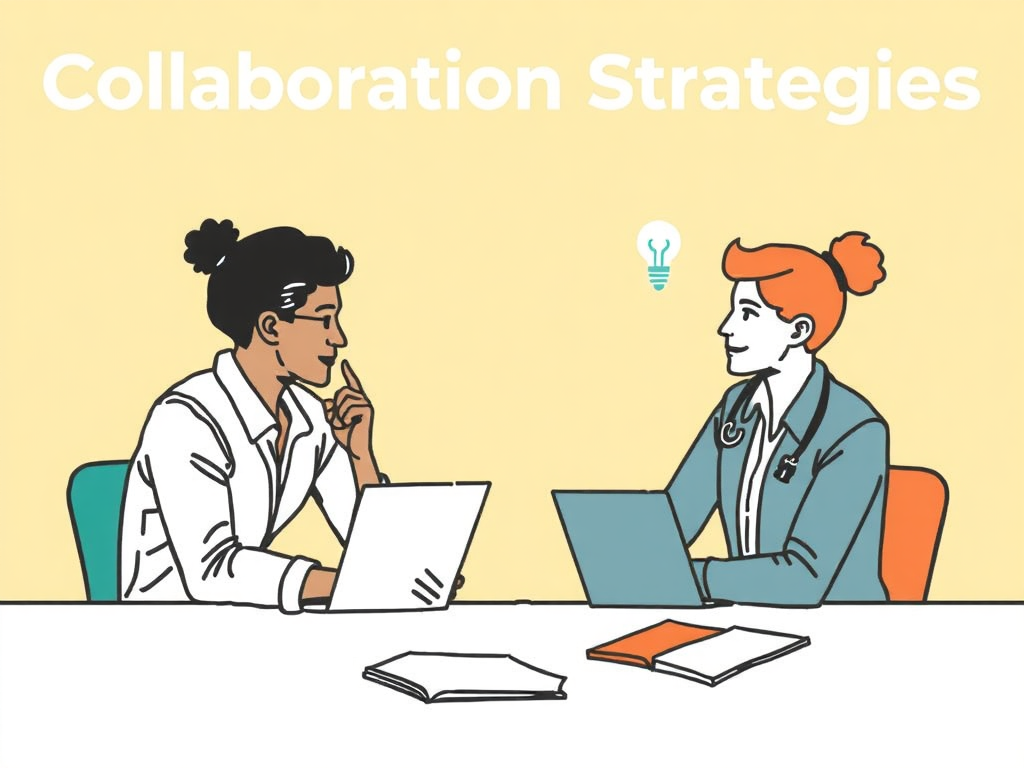
Group Project Strategies: Collaborating Successfully on Assignments
Collaborating effectively on group projects is crucial for success. Companies that focus on teamwork are significantly more likely to excel. By employing strategic communication, defining roles clearly, using technology efficiently, and creating a trusting environment, groups can unlock creativity, increase productivity, and improve efficiency. Key Takeaways Strong collaboration with clearly defined roles boosts performance and sparks innovation in group projects. Digital tools enhance communication and streamline project workflows, providing noticeable productivity gains. Effective communication and peer coaching are vital strategies to improve team dynamics and trust. Tackling common challenges in group projects requires building a culture of trust and commitment among team members. New trends like AI, hybrid workspaces, and AR/VR technologies are transforming the future of group collaboration. The Critical Role of Collaboration in Project Success Teamwork isn’t just a nice-to-have; 75% of employers consider it crucial for project success. Strong collaboration links directly to high performance. Companies that encourage collaboration are five times more likely to thrive. This isn’t just about better statistics; collaboration also enhances employee engagement. Engaged employees often see better results in their work. In fact, 73% report improved performance, while 60% notice a boost in creativity and innovation thanks to effective collaboration. Sharing ideas freely in a collaborative environment creates a vibrant workplace where innovation flourishes naturally. Building Strong Group Dynamics: Roles and Structures Optimal team size holds considerable importance. Studies suggest that groups of 3-5 consistently outperform smaller groups or individuals, fostering more comprehensive discussions and diverse perspectives. Each member’s contribution maximizes when roles are clearly defined. This clarity minimizes inefficiencies, preventing overlap and confusion. Diversity within a group elevates the quality of output. Cross-disciplinary teams blend different skills and viewpoints, producing innovative solutions. However, this potential can only be realized with effective communication. It’s crucial to establish a common language and ensure everyone contributes equally. Setting these foundations can significantly enhance group projects’ success and efficiency. Embracing Technology: Tools for Enhanced Collaboration Integrating digital tools has transformed how teams work together. According to a recent survey, 70% of workers believe these tools significantly improve collaboration, with 83% depending heavily on them for teamwork. The adoption of technology has led to productivity gains of 20-30%, showcasing its impact on efficiency. Incorporating such solutions reduces email volume by 30%, streamlining communication channels effectively. Beyond productivity and communication, the advantages of remote work stand out, providing both financial and operational benefits. Employers can save up to $11,000 annually by leveraging remote work options. Adopting these tools isn’t just about staying current—it’s about enhancing overall group project success, ensuring every team member can contribute from anywhere. Make these tools a staple in your project strategy toolbox for greater productivity and cost-effectiveness. Effective Strategies for Successful Group Collaboration Communication is crucial for workplace success. In fact, 86% of failures are linked to poor communication. Make it a priority to establish clear channels and regular updates. Use tools like Slack or Zoom to keep everyone on the same page. Start meetings with concise agendas and encourage open discussions. Aligning goals can significantly influence project outcomes. A surprising 97% of employees point to goal misalignment as a major hurdle. Begin every project by defining common objectives. Document them and revisit regularly to ensure everyone is headed in the right direction. Be vigilant about recognizing any drift and take steps to realign swiftly. Peer coaching provides incredible advantages. It can boost productivity by as much as 88%. Not only does it help team members learn from one another, but it also strengthens bonds and builds trust. Pair up members with complementary skills. Encourage knowledge sharing through regular mentor-mentee sessions. Decision-making flourishes in an environment of open dialogue and shared knowledge. Embrace diverse perspectives to enhance outcomes. Be open to ideas, draw insights from different fields, and leverage individual strengths. It often leads to more innovative solutions and a stronger commitment to decisions made. Leverage these strategies to transform group projects from burdensome tasks into collaborative successes. You’ll find that teamwork becomes more cohesive, efficient, and rewarding for all. Overcoming Challenges in Group Projects Group projects often face common obstacles that can hinder success. Lack of trust and organizational silos affect 39% of employees, limiting collaboration. When people distrust each other or organizations operate in silos, communication breaks down. This hampers the sharing of ideas and resources. Encouraging open communication and building a culture of trust can dismantle these barriers. Technology limitations present another major challenge. Without compatible tools, teams can’t collaborate effectively. Investing in versatile, user-friendly technology ensures everyone can contribute without technical hiccups. Team commitment also plays a crucial role. Just 30% of employees feel there’s mutual dedication to quality. This sense of imbalance leads to disengagement and increases turnover. Establishing clear responsibilities and fostering a shared vision helps boost commitment. In essence, addressing these challenges head-on provides smoother collaboration. By adopting trust-building practices, leveraging the right technology, and nurturing commitment, group projects can become a seamless and productive endeavor. Future Trends in Group Collaboration AI-driven solutions are poised to transform how groups work together. Automating tasks like scheduling and project management can significantly boost efficiency. By delegating repetitive chores to AI tools, teams can focus on strategic efforts and creativity. This change not only streamlines workflows but also enhances productivity. Hybrid workspaces are becoming the standard, and they’re great for balancing work and personal life. They allow teams to tap into global talent, expanding the pool of skills available. Collaboration tools have advanced, enabling teams to work seamlessly from anywhere. This flexibility is crucial as organizations draw in diverse perspectives to foster innovation. Augmented Reality (AR) and Virtual Reality (VR) are playing an increasingly important role in training. By using these technologies, teams can engage in immersive learning experiences. According to some experts, spending on AR/VR is expected to reach $2.8 billion. Training sessions become more engaging, retention rates improve, and the learning curve is shortened with these interactive methods. Implementing these trends involves more than just adopting new technologies. It requires a genuine shift in how teams communicate and

How to Research Effectively for Academic Assignments
Effectively researching for academic assignments involves a careful blend of quantitative and qualitative methods to gather and examine data. This combination strengthens your findings with both statistical strength and a nuanced understanding of the subject matter. By selecting various approaches and analysis techniques, along with utilizing reliable sources, researchers can ensure that their insights are thorough, credible, and actionable. Key Takeaways: Quantitative methods offer statistical confidence, while qualitative methods delve deeper for comprehensive understanding. Align data collection methods, like surveys and experiments, with your research objectives. Employ data analysis techniques such as descriptive and inferential statistics to draw meaningful insights. Uphold credibility by evaluating sources, citing them accurately, and leveraging reference management tools. Libraries and online resources, coupled with data analysis software, enrich the depth and credibility of academic research. The Backbone of Research: Methods and Strategies Harnessing quantitative methods like surveys and experiments provides measurable data essential for academic projects. Say you’re conducting a satisfaction survey among 2,000 students. The results offer statistical insights into general trends. Quantitative approaches facilitate statistical analysis, delivering data-driven confidence. On the other hand, qualitative methods offer a deeper understanding. Conduct interviews to glean insights into participant experiences. Thematic analysis allows for exploring themes within your data. Follow key steps like becoming familiar with your data and comprehensive coding to organize your findings. For a comprehensive approach, mixed methods combine quantitative precision with the qualitative depth of understanding. This ensures a well-rounded perspective. Each method has its strengths. Quantitative methods provide breadth, offering precise results in large-scale scenarios. Qualitative methods offer depth, revealing nuances in smaller samples. From Data Collection to Insight Data collection is central to effective research. Let’s look at some strategies. Surveys offer structured data from large demographics, while experiments provide high internal validity, making them essential for establishing cause-effect relationships. Longitudinal studies track subjects over long periods and are useful in observing educational developments. For example, studying how student performance evolves across different educational frameworks can yield valuable insights. Selecting the right method hinges on what you aim to discover. If you’re exploring cause and effect, experiments might be your best bet. For trends over time, longitudinal studies give continuity and depth. Surveys, with their broad reach, might suit exploratory research covering diverse perspectives. Always align your choice with your research goals to ensure that the insights you gain are both relevant and actionable. Decoding Data: Analysis Techniques and Tools Understanding different analysis techniques is vital for effective research. Descriptive statistics lay the groundwork, allowing data to be summarized with mean, median, and tables. Visualization tools like histograms simplify complex data into understandable graphics, offering insights at a glance. Inferential statistics take it further, making it possible to draw conclusions from data samples through hypothesis testing and confidence intervals. By estimating the probability of observed differences, you can make significant predictions about a larger population. Shifting to qualitative methods, content and thematic analysis are useful for dissecting non-numeric data. For instance, when evaluating feedback, counting the frequency of certain keywords can highlight recurring themes and sentiments. This technique provides a detailed understanding of qualitative data, offering depth behind raw numbers. Advanced techniques like meta-analysis and predictive analysis offer greater precision. Meta-analyses, which combine results from multiple studies, enhance the precision and reliability of conclusions by increasing the sample size. By focusing on effect size, these methods provide a more comprehensive view of data patterns. In predictive analysis, algorithms anticipate future events based on current and historical data. This technique can be particularly beneficial in forecasting trends and behaviors. By leveraging these methods and tools, I can transform raw data into actionable insights, driving informed decision-making. Establishing Credibility and Ensuring Integrity Evaluating the reliability of your sources is essential for effective research. Assess the credibility by checking the author’s credentials and the source’s reputation. Look for peer-reviewed journals or publications known for their rigorous standards. This approach helps confirm validity and minimizes the risk of publication bias. Triangulation enhances data quality by cross-verifying information from multiple sources. It helps you gain varied perspectives and strengthens the credibility of your findings. Maintaining academic integrity is crucial. Accurate citation prevents plagiarism and shows respect for original ideas. Use reputable citation styles like APA or MLA. Tools like Zotero or EndNote streamline this process by helping you organize references and format citations accurately. Here’s how you can evaluate sources: Authority: Verify the author’s expertise on the topic. Accuracy: Ensure the information is backed by evidence. Purpose: Determine why the source was created. Avoiding publication bias means seeking diverse viewpoints and considering both supporting and contrasting evidence. By doing so, you gain a balanced understanding and present a well-rounded argument. Reference management tools aid in managing citations efficiently and prevent unintentional plagiarism. They’re essential for any serious researcher aiming for seamless and credible academic work. Harnessing Research Resources: Libraries and Online Tools Libraries and online tools can significantly enhance your research efforts for academic assignments. With academic databases, you gain access to peer-reviewed journals that provide credible and up-to-date information. Libraries often house subscriptions to these databases, so utilize them to find scholarly articles that aren’t freely accessible. When searching online, tools like Google Scholar can be invaluable. They help locate articles across various fields and bring scholarly content to your fingertips. Remember, not all sources are reliable, so prioritize those from credible journals and institutions. Managing your research can get unwieldy without the right tools. Reference management software like EndNote or Zotero can simplify this task. They help organize your sources, streamline citations, and format bibliographies with ease. Data analysis and visualization are also crucial in academic research. Here are some tools that can aid in this process: SPSS: Ideal for statistical analysis with user-friendly interfaces. R: Offers advanced statistical analysis with extensive packages. Python: Great for both data analysis and creating compelling visualizations. Starting with these options can help transform raw data into insightful conclusions. Sources: Appinio – Blog Post: Market Research: Research Methods Litmaps – Article: Data Analysis Methods in

Effective Study Schedules for Balancing Coursework and Assignments
Balancing coursework and assignments isn’t just about hard work; it’s about crafting strategic study schedules that incorporate time management, personal well-being, and goal-focused approaches. Research from the University of Education, London, and educational journals highlights the significance of structured study plans. These plans boost academic performance and reduce stress. Key Takeaways Structured study schedules significantly boost academic performance, with increased participation directly linked to better grades. Prioritizing quality study techniques, such as practice testing and active learning, enhances exam scores more effectively than just hard work. The spacing effect, which involves spreading study sessions over time, proves more effective for long-term retention than cramming. A balanced routine, including breaks, sleep, nutrition, and exercise, sharpens learning ability and focus. Personalizing study schedules to match individual preferences, like study timing and environment, optimizes productivity. Crafting the Perfect Study Schedule: Your Key to Academic Success Structured study plans significantly uplift academic outcomes. Students who’ve implemented weekly study plans saw a boost in their average course grades, achieving a 75.47% compared to 66.96% for those who didn’t have planned schedules, according to results from the University of Education, London. The regularity and predictability of these plans help in reducing stress and improving learning efficiency. Participation rates in study planning further enhance results. Statistics show that when participation exceeds 70%, students enjoy higher exam scores and course grades. This demonstrates the value of integrating structured study schedules into your routine. These benefits highlight the importance of creating a consistent study schedule. Embrace this approach to elevate your academic performance. Quality Over Quantity: Strategic Studying for Better Grades Strategic studying can make a significant difference in academic performance. According to the Journal of Educational Psychology, students who study strategically can increase their exam scores by as much as one-third of a letter grade. This approach focuses on effective use of time and effort. In contrast, simply working harder without direction often leads to fatigue and frustration. Unguided hard work lacks focus and can result in wasted time. It’s essential to implement goal-oriented study strategies that target specific course objectives. Consider incorporating these strategies to boost your academic achievement: Identify Key Concepts: Before diving into your books, pinpoint what’s crucial. This saves time and energy, allowing you to focus on what’s important. Active Learning Techniques: Engage in activities like summarizing, teaching others, or creating mind maps. These help you retain information better. Regular Breaks: Your brain needs time to process information. Short, frequent breaks improve concentration and reduce burnout. Practice Testing: Regular self-assessment can highlight areas where you need improvement and build confidence for exam day. By prioritizing quality over quantity in your study sessions, you can achieve impressive academic results without exhaustion. Strategic studying not only improves grades but also enhances your overall learning experience. Adapt these tactics to suit your learning style and academic goals for a more effective study routine. The Spacing Effect: Spread Out Study Sessions for Retained Learning The spacing effect emphasizes how regular study sessions greatly enhance long-term retention compared to last-minute cramming. Evidence shows that spreading study time works better than trying to absorb everything at once. Engaging in three hours of study per week over four weeks is more effective than cramming for 12 hours within a single week—studies by Hermann Ebbinghaus support this claim. Incorporating post-lecture reviews can amplify retention even more. Spending just one hour immediately after class can equate to several hours of study later on. Prioritize these sessions to fully exploit the spacing effect and reinforce understanding. Maintaining Balance: Prioritizing Study and Personal Well-being Balanced schedules that include breaks can significantly boost learning and focus. Taking regular intervals gives the brain a necessary pause, enhancing any study session. Including non-academic activities is equally important for maintaining overall well-being. Consider these essential elements: Breaks: Short but frequent breaks help keep fatigue at bay and improve concentration. Healthy Meals: Nutrition supports cognitive function, so plan meals that provide energy without a crash. Sleep: Quality rest restores the mind, aiding memory and focus during study periods. Exercise: Even brief physical activity can refresh both body and mind. To integrate these elements into a weekly plan, start by outlining your study sessions and slotting in breaks. Ensure each block allows for moments of relaxation to recharge. Balance study time with physical activities and allocate time for meal prep and sleep. Prioritize consistency in your schedule for maximum productivity. A well-rounded approach that values both study and personal care supports a more focused and efficient learning experience. I recommend experimenting with different time blocks to find what best suits your rhythm. This not only enhances academic success but enriches life quality. Personalizing Your Study Routine: Preferences and Demographic Insights Crafting an effective study schedule begins with understanding individual preferences. Over 60% of students find solo study most effective, while 16% thrive in group settings. Knowing your own style is key in creating a productive routine. Gender plays a crucial role in decision-making about study times. Data indicates that 40.1% of females are more productive in the afternoon, with 40.2% of males favoring evening sessions. Adjust your schedule to align with these natural inclinations for better focus and efficiency. Your education level also influences daily study habits. Those pursuing a bachelor’s degree tend to invest more time, with 35.8% dedicating 3–4 hours each day to their studies. In contrast, 25% of students enrolled in associate’s programs allocate the same amount of time. Adapting your schedule based on your program can ensure you’re meeting academic demands without overwhelming yourself. To summarize, a successful study routine is one that aligns with your personal preferences and circumstances. Whether it’s choosing solo or group study, determining your peak study times, or adjusting for your degree level, understanding these factors will help you build a schedule that works best for you. Practical Scheduling: Tools and Tactics for Effective Time Management Boosting productivity means getting realistic about the time tasks take. Double your time estimates for assignments to sidestep stress and avoid rushing. Creating a distraction-free
How to Maintain Academic Integrity and Avoid Plagiarism
Introduction to Academic Integrity and Plagiarism Maintaining academic integrity and steering clear of plagiarism are essential in education, fostering trust, respect, and originality. These elements are central to any scholarly work, ensuring that academic environments remain credible and inspiring. As technological advances, such as artificial intelligence (AI), continue to influence academia, the importance of academic honesty becomes ever more crucial, presenting new challenges that educators, students, and institutions must navigate. Key Takeaways Core values such as honesty, trust, and fairness are vital for credibility in educational settings. They form the foundation of any academic environment. Ignoring plagiarism can result in serious academic and career repercussions. The challenge increases with its often low detection rates. Knowing the different types of plagiarism, such as direct and accidental, is key to preserving the integrity of academic work. AI’s growing role in academia demands updated policies. Using this technology responsibly ensures originality in academic endeavors. Continuous dialogue and education on ethical practices are crucial. They improve and reinforce a culture of integrity in educational settings. Understanding the Importance of Academic Integrity Academic integrity means valuing honesty, trust, fairness, respect, and responsibility in educational pursuits. It’s crucial for maintaining credibility and trust in academic environments. Plagiarism, which involves using someone else’s work without giving credit, represents a major violation of this principle. Statistics paint a concerning picture: 95% of students admit to some form of academic misconduct, and 85% believe it can lead to better grades. This highlights a widespread issue that threatens the foundation of academic fairness and trust. By understanding these principles and statistics, individuals underscore the importance of maintaining high ethical standards. Encouraging respect and accountability ensures a more genuine and trustworthy academic landscape. The Consequences of Plagiarism Plagiarism comes with serious academic and professional penalties. At school, you can face grade reduction, failing courses, or even expulsion. These consequences leave a lasting mark on your academic record and damage your reputation. In the workforce, allegations of plagiarism can lead to loss of credibility and job termination. Interestingly, there’s often a gap between plagiarism incidents and detection. Studies indicate that less than 2% of cases actually get caught. This discrepancy allows many to slip through the cracks, but it’s a risky gamble. Despite the potential consequences, 33% of students show little to no concern about the long-term impact on their futures. This lack of foresight can have dire ramifications down the line, affecting academic careers and professional opportunities. Always prioritize originality to maintain integrity. Identifying and Understanding Various Types of Plagiarism Different types of plagiarism can trip up even the most diligent students. The most blatant form is direct plagiarism, where text is copied word-for-word without giving credit. It shows a clear disregard for scholarly honesty. Self-plagiarism occurs when you reuse your own previous work as if it’s new, cheating the process of generating fresh ideas. Mosaic plagiarism is a bit trickier. It combines copied phrases with original text, blending someone else’s work with your own. While it might not seem as obvious, it’s still deceitful. Accidental plagiarism sneaks up on those unfamiliar with citation rules or who misunderstand source material. Misquoting a source or forgetting to give credit can easily happen. To maintain academic integrity, citing sources correctly is vital. This not only respects the original authors but strengthens your own arguments. The key is knowing what to avoid to keep your work genuine. Here’s a quick look at common causes of accidental plagiarism: Paraphrasing without credit Misunderstanding citation rules Not differentiating between common knowledge and unique ideas Each type of plagiarism has its pitfalls. Recognizing them helps steer clear of unwanted trouble. Knowing these forms and the right way to cite your references builds a solid foundation for upholding integrity in your work. Influence of Technology and AI on Academic Work AI is reshaping how students approach their assignments. By 2025, it’s expected that 92% of students will utilize AI tools for academic tasks. This doesn’t just change how work gets done; it shifts the benchmarks of originality. As AI-generated content skyrockets by 76%, the pattern of plagiarism detection has transformed, leading to a notable 51% decrease in detected plagiarism. This indicates how AI can create content that appears unique, thereby challenging traditional methods of identifying academic dishonesty. The market for plagiarism detection tools is also expanding significantly. It’s expected to grow from $0.22 billion in 2024 to $0.56 billion by 2033. This growth underscores the increasing need for sophisticated tools to keep up with AI advancements. Detecting AI-driven plagiarism involves more than just scanning text for matches; it’s about recognizing nuanced similarities that AI might mask. There’s a balance to strike between leveraging AI for efficiency and adhering to academic integrity. To ensure work reflects genuine understanding and effort, students should: Utilize AI as a tool for assistance, not a crutch. Cross-check AI-generated content for accuracy and originality. Cite AI-generated content appropriately. By doing so, students can benefit from AI without compromising their integrity. As technology advances, maintaining honesty in academic work becomes ever more important. Strategies to Uphold Academic Integrity and Avoid Plagiarism Understanding academic integrity requires adopting effective strategies. Consistent citation using styles like APA or MLA is crucial. Keep detailed records of your sources. Using plagiarism detection tools, such as Turnitin and Grammarly, can significantly aid the process. Recent technological improvements led to a 10% decrease in plagiarism detection, showing their growing reliability (source: not provided). Learning effective paraphrasing and summarizing ensures originality and proper acknowledgment. Consistently applying these skills will enhance your writing: Familiarize yourself with citation styles. Keep a comprehensive repository of all sources. Regularly utilize plagiarism detection software. Education on these practices enhances integrity and originality in academic work. Implementing them boosts the credibility of your research and writing. Promoting a Sustainable Culture of Integrity Creating an environment where academic honesty flourishes requires open dialogue. Conversations between students and educators about ethical scholarship lay a solid foundation. By embedding principles of integrity into every corner of the curriculum, educators ensure

How to Avoid Procrastination and Stay Motivated on Assignments
Procrastination is a pervasive issue that affects a staggering 80-95% of college students, leading to a significant decline in academic performance and potential financial setbacks in the future. Understanding the psychological and behavioral roots of procrastination is crucial for overcoming this challenge and staying motivated with assignments. Key Takeaways: Procrastination affects 80-95% of students, resulting in decreased academic performance and potential future financial setbacks. Common psychological causes, such as fear of failure, task aversion, and perfectionism, exacerbate stress and anxiety. Effective strategies to combat procrastination include setting clear goals, breaking tasks into smaller parts, and using the Pomodoro Technique for focused work sessions. Enhancing task value, practicing mindfulness, and maintaining accountability can significantly boost motivation. Establishing a distraction-free workspace and seeking professional help, if necessary, are crucial for continual progress and productivity. Understanding the Prevalence and Impact of Procrastination Procrastination affects a vast majority of students. Studies show it impacts between 80–95% of college students and 86% of high school students. This isn’t just a minor issue; academic performance takes a hit because of procrastination. Students who delay their work often see a significant drop in GPA, exam scores, and assignment grades. There’s a clear pattern here; putting off assignments can lead to poor results. For instance, a shocking 56% of late assignments ended up with an F. This isn’t something you can overlook. It’s essential to address procrastination head-on to prevent these adverse impacts on educational outcomes. Recognizing this widespread issue is the first step toward finding solutions that keep you on track and motivated. The Psychological and Behavioral Roots of Procrastination Procrastination often stems from a blend of psychological and behavioral factors. Fear of failure is a major cause, driving individuals to delay tasks to avoid potential negative outcomes. When tasks are particularly unpleasant or boring, task aversiveness kicks in, leading to procrastination as a way to dodge these unwelcome feelings. Perfectionism can play a huge role too. The need to perfect every detail can stall progress, as nothing feels good enough to start or finish. Self-regulation difficulties make it tough to control impulses and manage time effectively, causing delays in starting assignments. Emotionally, procrastination introduces a host of negative feelings. Stress, anxiety, and depression can set in, creating a cycle that’s hard to break. Over 80% of students experience these emotional effects, which can worsen procrastination. Identifying these root causes can help in developing strategies to combat procrastination, paving the way for healthier productivity habits. Recognizing these tendencies can lead to proactive steps to tackle them. Consequences Beyond Academic Performance Procrastination isn’t just an academic issue; it affects overall well-being significantly. Stress and anxiety levels often climb as deadlines near, leading to poor mental health and decreased academic output. Over time, consistent procrastination can have severe consequences on future earnings. Evidence suggests each point of increase in procrastination may lower future income by $15,000 (Sirois). This isn’t just about grades—it has real-world financial impacts. Addressing procrastination early can mean better career opportunities and a healthier mind. How Students Typically Procrastinate Procrastination isn’t unusual among students, with distractions everywhere. Watching TV and surfing social media are popular ways folks steer clear of diving into their assignments. Students often find these activities serve as temporary escapes, offering relief from the pressure of upcoming deadlines. Interestingly, research shows procrastination rates differ by task type. Students are more likely to procrastinate on term papers and prepping for exams. These tasks often seem overwhelming and require more focus, leading to avoidance. On the other hand, administrative tasks such as filling out forms or organizing study materials see lower procrastination rates. These tasks seem less daunting and more manageable, making them less likely to be put off. It might surprise some, but about one-third of students’ daily activities may involve procrastination. This means a significant chunk of time that could be spent productively ends up lost. Recognizing this pattern is key to breaking the cycle and discovering better ways to manage time and motivation. Effective Strategies to Combat Procrastination and Boost Motivation Setting clear and achievable goals is a practical way to stay focused. Break assignments into smaller, manageable tasks to make them less intimidating. The Pomodoro Technique can also be a valuable tool; it boosts productivity by working in short, focused intervals. Creating a structured schedule keeps you on track. To stay motivated, consider ways to increase task value and tackle emotional barriers. Practicing self-compassion and mindfulness can improve one’s mindset. Accountability is crucial; engage with peers or join online study groups to maintain momentum. A distraction-free workspace leads to better concentration. Utilize apps designed to block interruptions. If procrastination becomes overwhelming, professional help such as cognitive-behavioral interventions may be beneficial. Remember, these strategies can be customized to fit individual needs. Statistical Highlights and Comparative Analysis Procrastination affects many, and the stats speak volumes. Over 80% of students report negative feelings due to delays in assignment completion. It’s not just about grades; these habits can impact future earnings too. Research from specific source highlights the high prevalence of procrastination among students, linking it directly to missed opportunities and decreased well-being. Here’s how procrastination affects several aspects: Grades: Students who regularly delay their assignments often see a drop in their GPA. This decline impacts academic records significantly. Well-being: Delayed tasks lead to stress, anxiety, and lowered self-esteem. The cycle of procrastination and stress can be hard to break. Future Salary: There’s potential for reduced earnings in the future due to habitual procrastination, as it may lead to missed deadlines and a compromised work ethic assessed by employers. I encourage readers to apply the strategies discussed above to combat procrastination. Prioritizing tasks, setting realistic goals, and maintaining a consistent schedule can transform habits. Overcoming procrastination is crucial not only for academic success but also for professional growth. By embracing effective time management techniques, you pave the way for a more prosperous and fulfilling future. Sources: American Psychological Association – “Procrastination: Ten Things to Know” Solving Procrastination – “Procrastination Statistics” National University

How to Seek Feedback and Improve Your Assignment Drafts
Feedback is vital for refining assignment drafts, acting as a valuable guide on the path to improvement. This input paves the way for targeted enhancements from various sources, ensuring that the final product is of high quality. By crafting a solid strategy and involving several reviewers, anyone can turn constructive criticism into practical insights, significantly boosting the quality of their academic work. Key Takeaways Define the stage of your draft to gather focused feedback. Pose specific questions to pinpoint areas that need attention. Collaborate with peers, instructors, and experts for varied viewpoints. Transform feedback into practical insights by identifying recurring themes. Leverage digital tools and writing centers to ease the revision process. Refining Your Feedback Strategy for Assignment Drafts Crafting a clear strategy to seek feedback can significantly impact how your assignment draft improves. Specify what stage your draft is in. Is it just an outline, a rough draft, or nearly finished? This helps in getting advice that targets feedback goals effectively. Ask precise questions to pinpoint improvements. Wondering if your thesis is strong enough or if your arguments are clear? Consider asking, “Can you give feedback on my thesis statement and paper structure?” Guide reviewers with a focus on particular sections that concern you. If there’s doubt about a specific section, like your second body paragraph, simply ask, “Could you suggest enhancements for this part?” Incorporating these strategies in the writing process ensures you tackle revisions with a clear plan, enhancing the assignment draft and making the feedback more beneficial. Selecting Diverse Feedback Sources Engaging different perspectives is key to gaining comprehensive input on your assignment drafts. Seek feedback from a variety of sources like instructors, peers, writing centers, or subject experts. This approach offers a broader view of your work’s effectiveness and areas for improvement. Peer review holds significant value in this process. It encourages self-assessment and introduces you to unique perspectives and writing strategies. Engaging with your peers can enhance your self-editing capabilities for future assignments. Additionally, feedback from peers often reflects what an audience with a similar knowledge base might perceive, offering a relatable critique of your work. Prioritizing input from professionals or individuals with expertise in your assignment’s topic can provide the most relevant and technically accurate insights. Subject experts will not only highlight gaps in your knowledge but also suggest more precise language and concepts. Instructor feedback is also invaluable as it aligns closely with the evaluation criteria and expectations for the assignment. Remember, utilizing a writing center can further support your improvement journey. Writing centers provide access to knowledgeable staff who are equipped to give constructive feedback tailored to the specific demands of your assignment. By combining these diverse feedback avenues, you’ll develop a more rounded skill set for crafting polished and effective academic work. Transforming Feedback into Actionable Insights To make feedback useful, ask for specific comments. Instead of general terms like “awkward“, get concrete suggestions. Have reviewers point out exact passages and offer ideas, such as “Combine these two sentences for clarity”. This type of actionable feedback turns confusion into direction. Balanced critique also plays a key role. Acknowledge your strengths while noting areas for improvement. Such feedback guides effective revision and keeps motivation high. Recognizing what you did right builds confidence. When receiving feedback, focus on recurring patterns rather than one-off errors. Addressing these pattern-focused issues could significantly elevate the quality of your assignments. Concentrate on repeated mistakes and target them in your revisions for more meaningful improvements. Effectively Incorporating Feedback Reflective journals or cover letters can be powerful tools. By documenting reactions to feedback, I can plan the best way to implement each suggestion, enhancing my reflection during the revision process. I treat feedback as a dialogue. Asking for clarification and discussing comments helps deepen understanding and refine revisions. This approach ensures feedback becomes a collaborative effort, enriching the final outcome. Embracing an iterative process is essential. By revising in stages and applying feedback progressively, I can ensure comprehensive and continuous assignment improvement. This step-by-step approach allows me to address every aspect effectively. To summarize, keep these strategies in mind: Use reflective tools like journals or cover letters Engage in dialogue over feedback Revise iteratively for thorough improvement Adopting these methods significantly enhances the quality and coherence of assignment drafts. Incorporating digital tools into your assignment workflow can make revisions smoother. Use grammar checkers to catch errors quickly and ensure clarity. Online collaboration platforms let you share drafts with reviewers seamlessly, enhancing communication. To further hone your skills, tap into writing centers for personalized guidance on writing mechanics. They offer experts who can provide in-depth assistance. Online resources also serve as invaluable allies, offering tutorials and guides that boost your understanding independently. Remember, these resources are there to enhance your revision process, ensuring your drafts are polished to perfection. Sources:Use Bubbles – “How to Give Feedback on Writing”Oregon State University Extension Service – “20 Tips for Examining Writing About Data”University of Notre Dame – “Giving Effective Feedback on Student Writing”4Writers Blog – “The Use of Statistics in Academic Writing”Purdue OWL – “Instructor Guide: Giving Feedback”Monash University – “The Language of Writing About Data”University of Illinois Writers Workshop – “Asking for Feedback”PubMed Central (PMC) – Article with DOI: PMC10788737

Crafting a Convincing Conclusion for Your University Assignment
Crafting a convincing conclusion for a university assignment is essential. It showcases your comprehensive understanding and active engagement with the topic. A well-structured conclusion acts as both a summary and reinforcement of key arguments, bringing your work to a satisfying close. It also outlines the broader importance of your findings. Key Takeaways Restate the main thesis and link it to the essay focus without introducing new ideas. Provide closure by emphasizing the significance of your findings and their impact on the topic. Highlight broader implications and propose future research or real-world applications. Maintain a formal and clear tone, use impactful language, and conclude with a memorable statement. Avoid introducing new information, focus on synthesizing arguments, and strive for brevity to ensure clarity and impact. The Purpose and Importance of a Strong Conclusion A conclusion marks the final chance to clearly express your understanding and thoughts on the topic. It’s crucial for illustrating that all discussions have been cohesively linked and that the essay question has been effectively answered. More than just a summary, a conclusion reinforces the main argument and central theme, highlighting your grasp of the assignment’s purpose. To craft an effective conclusion: Restate the main argument: Briefly reinforce your primary points without introducing new ideas. Address the essay focus: Ensure your conclusion ties back to the essay question and focus. Provide a sense of closure: Clearly outline the significance of your findings and their impact on the topic. A well-crafted conclusion demonstrates profound comprehension and effectively wraps up your work, leaving a lasting impression. Building the Structure of an Effective Conclusion Start by restating your thesis or main argument using fresh language that keeps your reader engaged. Connect this restatement to both the essay question and your introduction for a seamless flow. This linkage reinforces your central theme and ensures clarity. Next, summarize the key points to remind your reader of the evidence and arguments presented without introducing new information. This recap should intertwine with the thesis restatement, highlighting each point’s significance and reinforcing your stance. To wrap up, make sure you clearly articulate how you’ve answered the question posed in your assignment. This will provide a satisfying sense of closure. By effectively linking all these elements, you reassure your reader that every part of your work has contributed to answering the main question. Highlighting the Significance and Broader Implications To leave a lasting impact in your conclusion, highlight the importance of your findings within a broader context. Consider how your research contributes to the field and its significance: Discuss how your results might influence future studies or practices. Suggest real-world applications that could benefit from your conclusions. Recommend areas for future research that could further expand understanding. If your study is research-driven, use existing data to reinforce your points rather than introduce new evidence. Concluding with a compelling statement about the broader implications of your work can reinforce its relevance and importance. Maintaining Appropriate Language and Tone Keep a formal and articulate tone throughout your concluding paragraph. It’s essential to avoid personal stories unless your field specifically allows them. Clarity is crucial, so ensure each point is easily understandable. Rather than repeating past sentences, paraphrase previous content to maintain readers’ interest. Using impactful language helps in leaving a lasting impression. Consider the following strategies for an effective conclusion: Summarize key points with clarity. Introduce a novel insight or perspective. Connect the conclusion to the assignment’s broader implications. End your conclusion with a strong sentence that offers a clear takeaway or insight. This ensures your assignment leaves a memorable impact on the reader. Always prioritize clarity and formality to maintain the assignment’s credibility and effectiveness. Avoiding Common Pitfalls Mistakes often arise when wrapping up an assignment. In your conclusion, resist the urge to introduce new points, evidence, or statistics. Doing so can confuse your reader and disrupt the synthesis of your argument. Focus on reinforcing the understanding of what you’ve already discussed. Keep in-text citations to a minimum to maintain flow. Aim for a concise summary, usually in one well-developed paragraph. If the assignment is extensive, stretch it to three paragraphs at most. Here’s what to keep in mind for an effective conclusion: No new information or evidence should appear. Concentrate on synthesizing arguments. Strive for brevity to ensure clarity and impact. By sticking to these guidelines, you’ll emphasize the main ideas without overwhelming your reader with fresh data. This way, your assignment ends clearly and authoritatively. Practical Writing Strategies and Phrases Crafting a conclusion requires a clear synthesis of your findings. Using academic phrase banks can help encapsulate your paper’s essence. Phrases like “This essay has demonstrated that…” or “The findings suggest that…” can guide readers through your conclusions effectively. Consider reconnecting to an anecdote or quotation from your introduction. This helps to provide a full-circle experience and reinforces the paper’s arguments. Addressing the broader impact of your findings is essential. Highlight the issue’s consequences to show its relevance. Here, recommendations for practical applications or policy changes become valuable. Don’t shy away from proposing avenues for future research to extend your study’s impact further. To summarize: Use academic phrases to succinctly recap your main points. Tie back to introductory elements for coherence. Emphasize the implications of your conclusions. Suggest recommendations or future research opportunities. Implementing these strategies ensures your conclusion doesn’t just summarize but adds depth and consideration to your entire assignment. Sources: University of Newcastle – LD Conclusions Scribbr – Research Paper Conclusion Walden University – Academic Guides on Writing Conclusions Barnsley College – Conclusions in Academic Writing University of Toronto – Advice on Intros and Conclusions University of Manchester – Writing Conclusions Indiana University – Writing Conclusions ServiceScape – In Summary: 10 Examples of Essay Conclusions

Online Learning in UAE: Tips for Managing Assignments in Virtual Classes
The online learning landscape in the UAE is on a fast track to growth, with projections reaching USD 7.68 billion by 2030. This surge is fueled by strong governmental backing for digital advances and impressive internet penetration. As educational technology becomes more common, effectively handling assignments in virtual classes is vital for student success. This requires strategic methods and tools to tackle unique challenges. Key Takeaways The UAE’s focus on digital advances boosts its e-learning environment, positioning it as a regional leader. Online education here often involves increased assignment workloads, demanding good time management and self-discipline. Learning Management Systems and tools like Trello or Asana play a crucial role in organizing and handling assignments efficiently. Encouraging communication through platforms like Microsoft Teams or Google Classroom enhances student interaction and feedback. Using game-based learning and microlearning can significantly boost student motivation and engagement in virtual learning settings. The Growth of Online Learning in the UAE The UAE’s e-learning market is on an impressive trajectory. It’s expected to reach USD 7.68 billion by 2030, growing from USD 3.65 billion in 2024 thanks to a significant compound annual growth rate of 13.1% over 2025-2030. This surge results from the government’s strong push for digital transformation, increased privatization, and the country’s remarkable internet penetration, projected to reach 99% by 2025. The UAE has positioned itself as a leader in educational technology. It stands out by offering a rich educational landscape that spans K-12, higher education, and vocational training. This extensive offering ensures that learners at different levels have access to quality education. The strong government support for tech integration in education sets the UAE apart. By initiating and funding various digital learning projects, it aligns with regional trends and often sets the pace. These initiatives include smart learning programs and partnerships with leading technology companies, enhancing the reach and quality of online education. Comparatively, while other countries in the region are investing in EdTech, the UAE’s commitment remains unparalleled. This focus on tech-enabled education not only boosts the national education standards but also attracts international students and educators. By embracing this growth, educators and students in the UAE are poised to benefit from a future where virtual learning becomes increasingly seamless and effective. Challenges of Managing Assignments in Virtual Classes Online learning environments often lead to a surge in assignment workload. Institutions use these assignments to balance the reduced face-to-face interactions and maintain learning efficiency. A structured approach to time management and self-discipline becomes crucial for students trying to juggle these demands. I’ve seen firsthand how the preparation time increases in these settings, often causing students to feel isolated without real-time interactions. Current data suggests that assignments in virtual classrooms can be as much as 30% higher compared to traditional settings, highlighting the pressure students face today. The shift from conventional to online education introduces unique challenges. It requires students to reassess their study habits and identify effective strategies to manage their workload. Experiencing feelings of disconnection can further complicate matters. The lack of true face-to-face engagement might hinder a student’s ability to grasp complex concepts. Potential solutions lie in fostering a structured daily routine. Below are some strategies to handle these challenges effectively: Set clear priorities for assignments. Use digital tools like calendars and task managers to keep track of deadlines. Establish a dedicated study space to minimize distractions. Understanding and adapting to the qualitative differences in online vs. traditional education can significantly ease the transition. Students can find success and reduce stress with the right mindset and approach. Effective Tips for Managing Assignments Learning Management Systems (LMS) like D2L and Blackboard are fundamental. Mastering their features can make assignment submission and feedback processes smoother. Understand how to set clear rubrics within these systems to streamline grading. Organizing tasks is simpler with digital tools like Trello or Asana. These platforms allow you to break down larger projects into manageable tasks, making it easier to track progress. By chunking assignments, you maintain momentum and prevent overwhelm. Communication is key in virtual settings. Use platforms such as Microsoft Teams or Google Classroom to foster regular interaction. Real-time feedback encourages a dynamic learning environment, helping students understand and correct errors promptly. Incorporating game-based learning and microlearning can significantly boost motivation. UAE platforms like Alef Education offer engaging ways to enhance learning. Integrating short, focused learning sessions ensures that students remain engaged and retain information more efficiently. Here’s how you can practically manage assignments in virtual classes: Use digital planners and calendars to schedule tasks and deadlines. Break down assignments into smaller, achievable sections. Encourage students to set daily or weekly goals. Provide timely feedback using video or audio tools to personalize the learning experience. Patel’s studies indicate that immediate feedback increases understanding and retention. Leveraging these strategies can transform how you handle assignments, boosting both productivity and engagement. UAE-Specific Success Strategies and Trends Custom e-learning leads the way in the UAE, accounting for 33.71% of sector revenue. This trend highlights the importance of personalized and flexible assignment strategies. Adopting a game-based approach could significantly boost motivation and task completion rates. Game-based learning’s rapid growth suggests incorporating gamification in assignments can engage students more effectively. Thanks to high digital literacy and thoughtful governmental investments, online assignment management is thriving in the UAE. Here’s how UAE compares with its GCC neighbors and what these trends mean for managing assignments effectively in virtual classrooms: Personalization in learning and assignments is more prevalent in the UAE. Government funding in digital education ensures top resources and platforms. Strategic use of gamification aligns with broader regional trends, enhancing learning experiences. These insights shape an approach that meets students’ needs while keeping them actively involved in their online education. Sources: Grand View Research – E-Learning Services Market: GCC Region GESS Education – Education Trends to Watch in 2025: Insights from UAE Educators Globe Newswire – 2025 UAE Education Market Report: Significant Growth Projected as the Market Expands by $5-$10 Billion Between 2024-2029 Statista – Online Education in the GCC DataReportal –